


豊かな自然と土地の魅力|With abundant nature and the beauty of the land
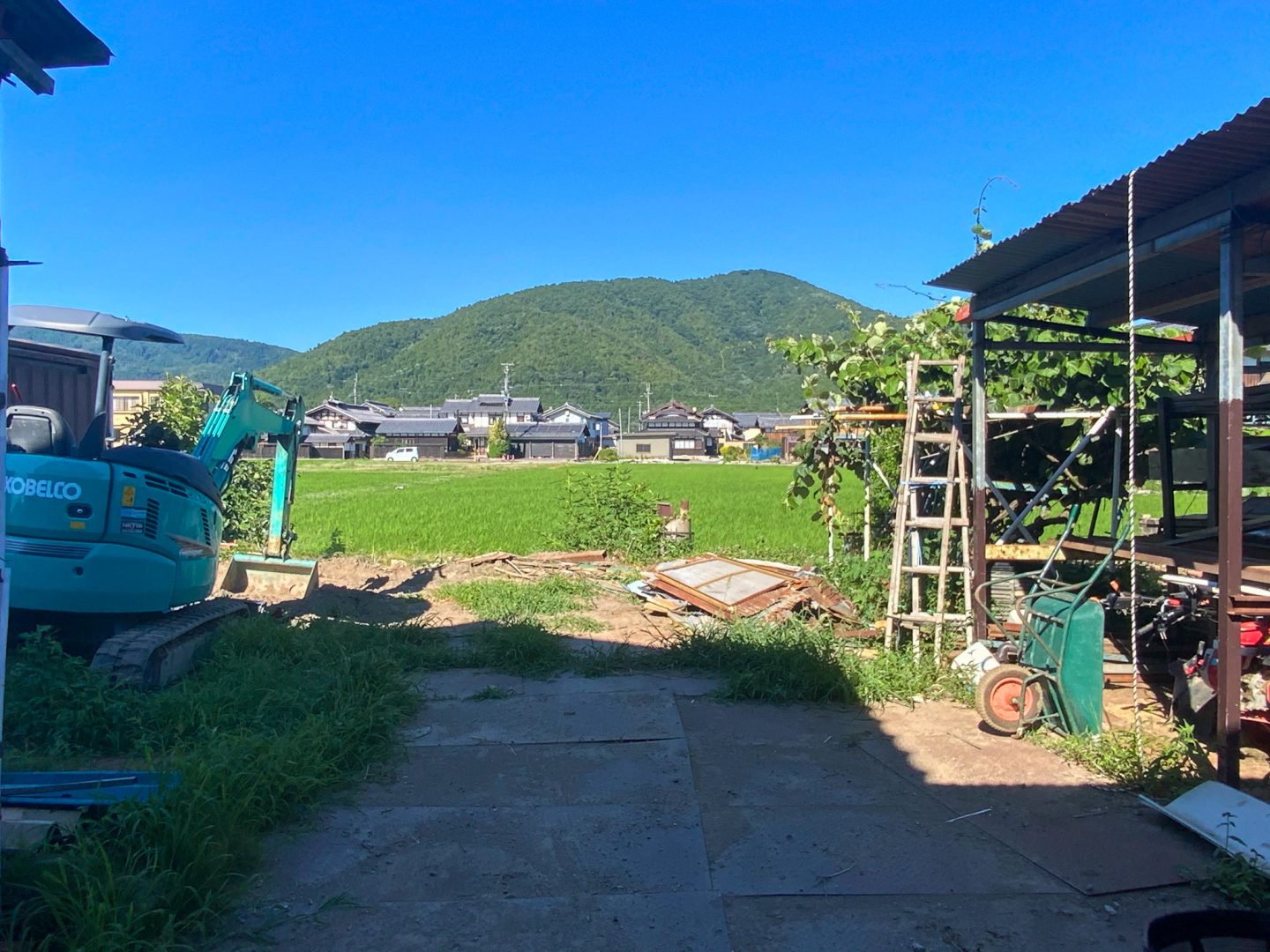
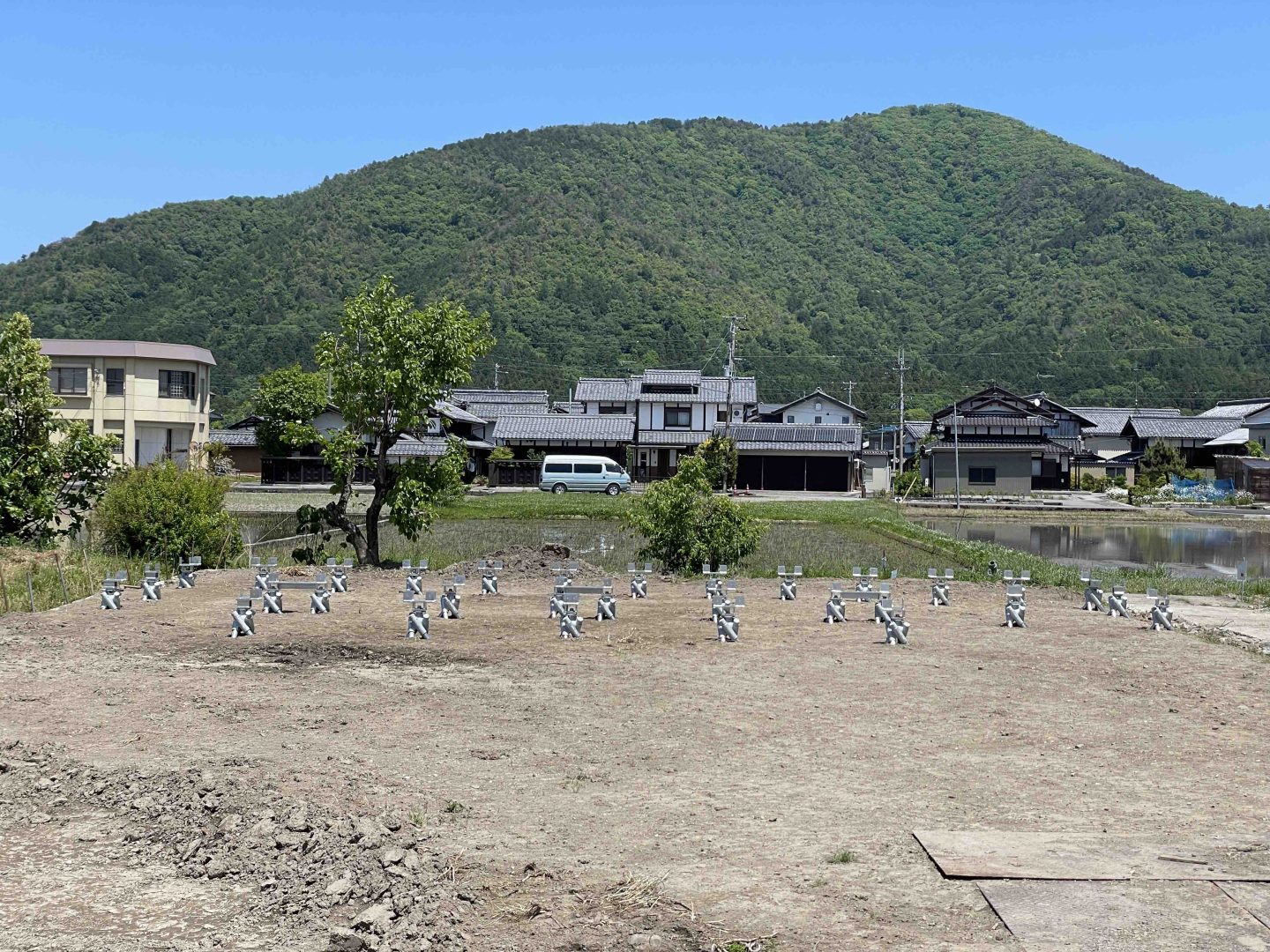
滋賀県の湖北地域にある小谷丁野町は、小谷山・伊吹山と琵琶湖をつなぐ、姉川・高時川が作り出した広大な平野に位置し、昔から水稲耕作で栄えた緑豊かな田園風景が広がる農村集落です。
湖北はその広大さゆえに、昔は水不足に悩まされ、壮絶な水争いのなかで田んぼを受け継いできた歴史があります。地政的な特徴からさまざまな文化が根ざしたこの集落で、お米農家を営むご夫婦の「新しい居場所」を一緒に考えていきます。
Shiga Prefecture’s Kohoku region contains the village of Odaira-Tono in Nagahama, a rural settlement set within the vast plain shaped by the Anegawa and Takajigawa rivers, which run between Mount Odani, Mount Ibuki, and Lake Biwa. The area is defined by lush agricultural landscapes and has long prospered through rice cultivation.
Because of its expansive geography, the Kohoku region historically struggled with water shortages, and its rice fields were passed down through generations amid intense water-rights disputes. In this settlement, where diverse cultural layers have taken root due to its geopolitical position, we are working with a rice-farming couple to envision a “new place of belonging” for their life and work.
パート1 基本設計|Part 1: Design Fundamentals
プロセス1- 奥さんのための「迷える居場所」|Phase 1 – “A Lost Place of Belonging” for the Wife
施主はこの集落で100年以上守られてきた田んぼ農家を受け継ぐご夫婦で、この集落で生まれ育った旦那さんと農家のお嫁にきた奥さん。奥さんがこの地域に馴染むまで、安心してゆっくりと考えることができる「迷える居場所」を作りたいという二人の想いからこのプロジェクトは始まりました。
The clients are a married couple who have inherited a rice farm that has been protected in this settlement for over 100 years: the husband, who was born and raised here, and the wife, who came to the village as a new farmer’s bride.
This project began from their shared desire to create “a lost place of belonging” where the wife could feel safe, take her time, and gradually find her own rhythm within the community.
プロセス2- 「つくる」を愉しむ素材の研究所|Phase 2 – A Material Lab for the Joy of Making
「お米のおいしさと田んぼが生み出す魅力を発信できる拠点を作りたい。」
The deliciousness of rice, and the charm that emerges from the rice paddies.
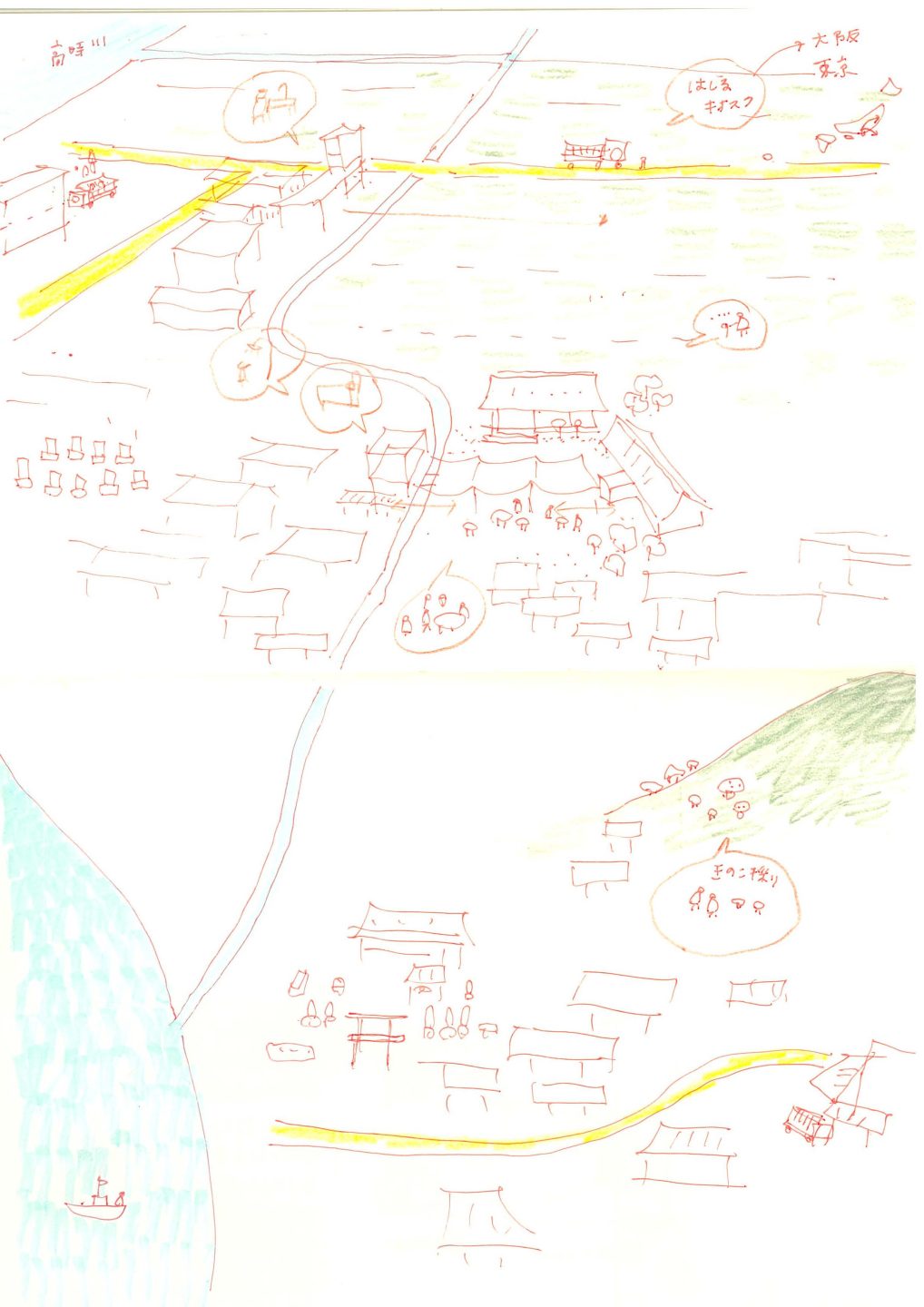
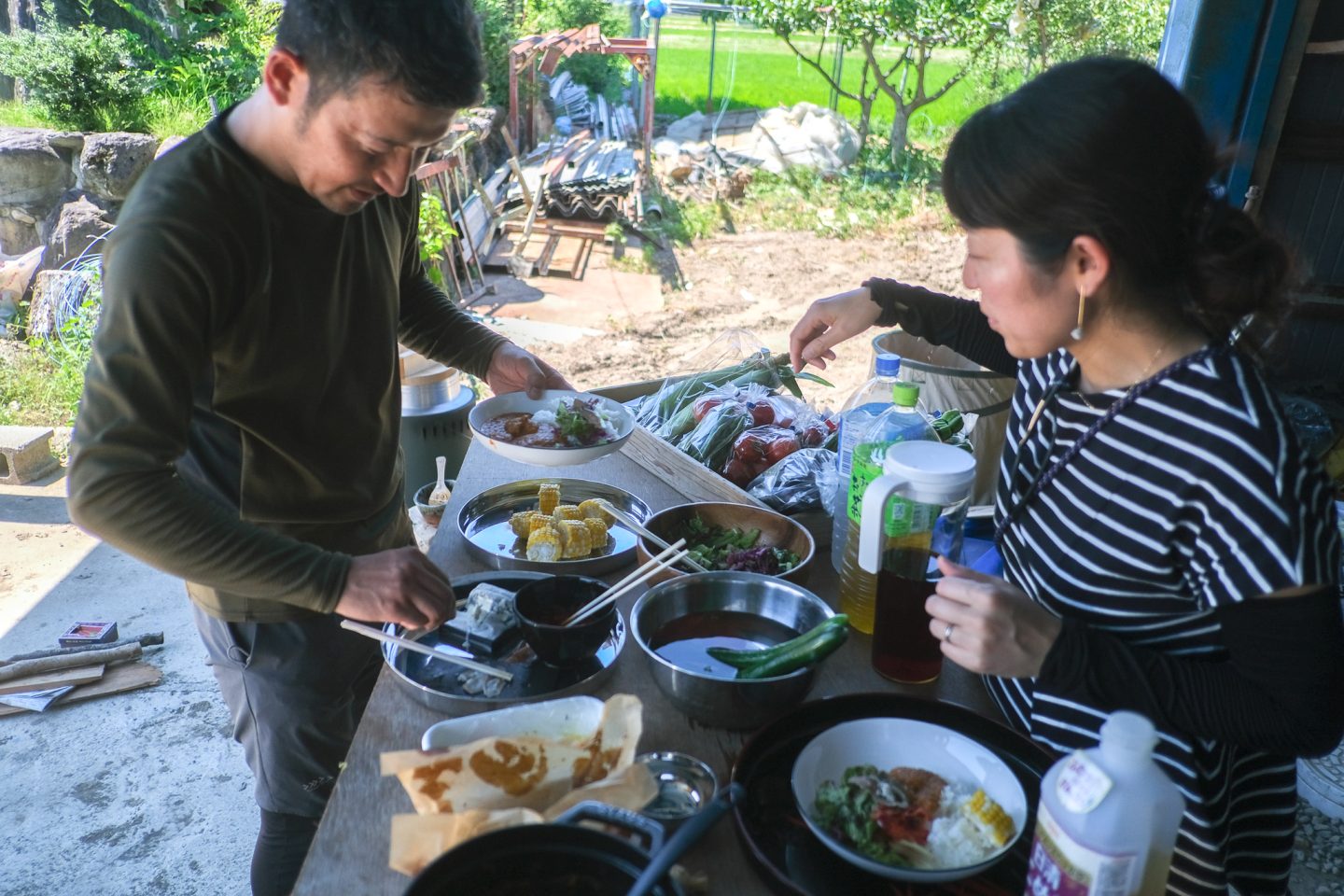
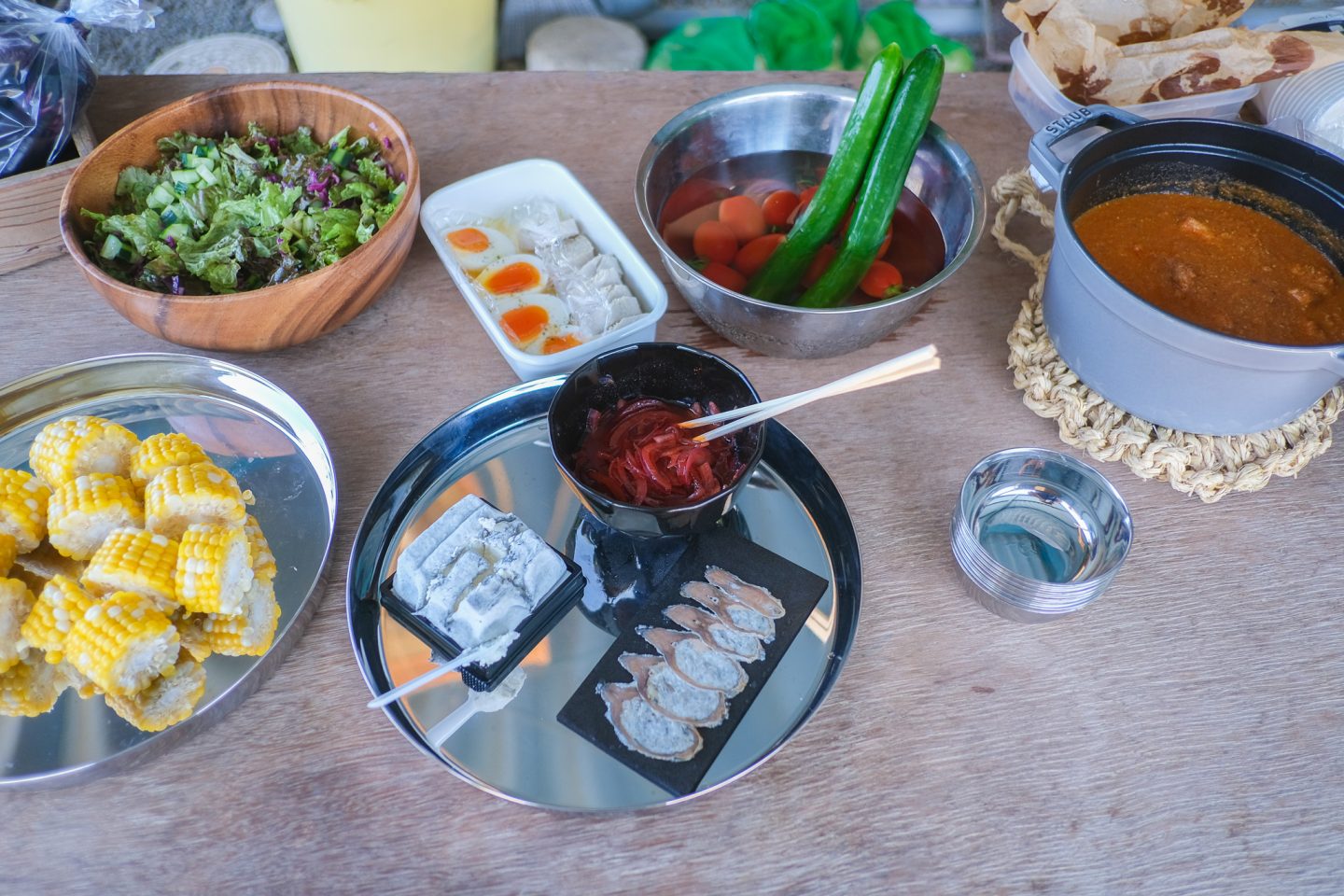
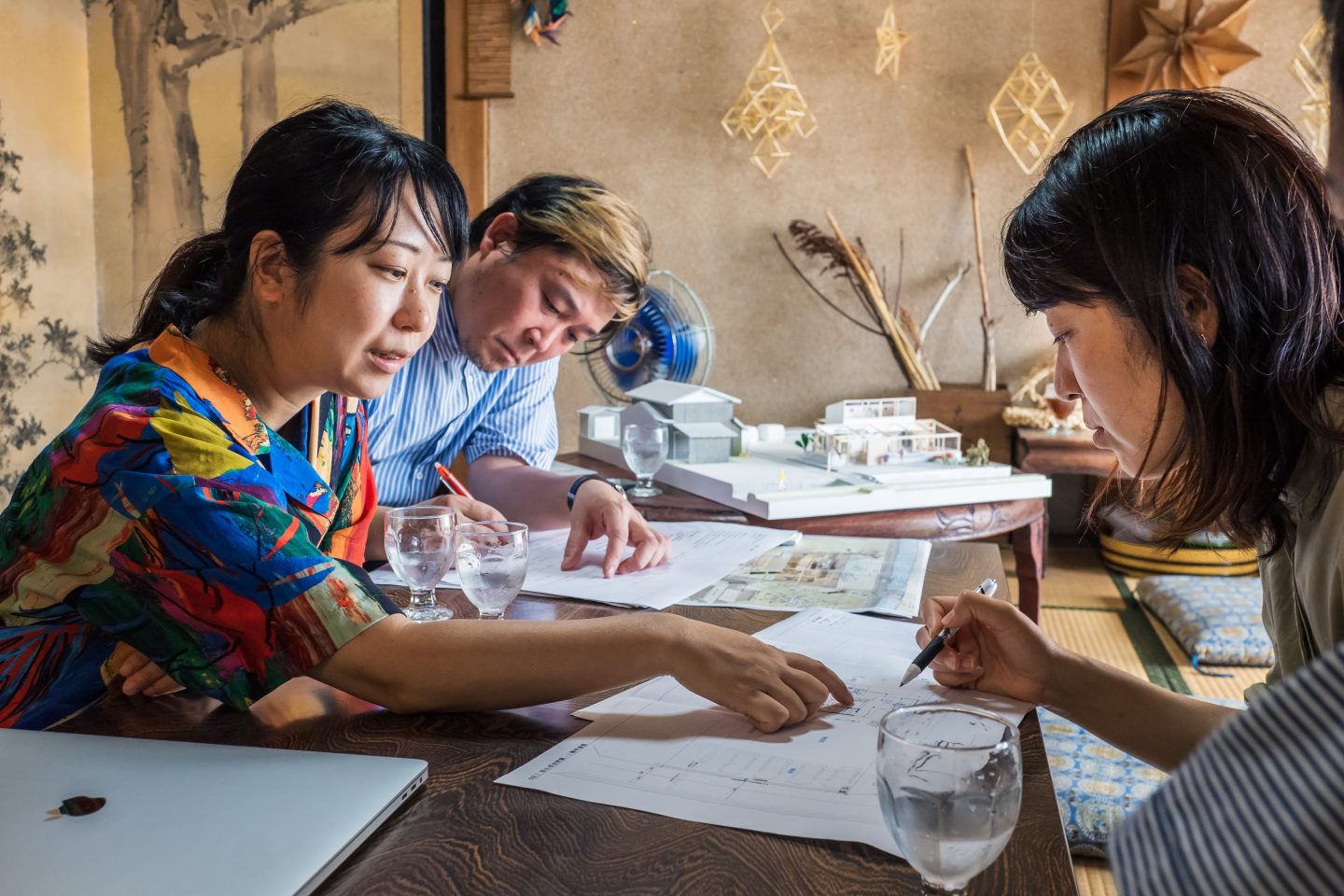
丁寧に時間をかけて対話を重ねることで、だんだん二人の思い描く新しい拠点の全体像が浮かびあがってきました。二人は数年前から農業を中心としたイベントに参加し、田んぼや畑で採れた素材を使ったものづくりとその豊かさを発信してきました。例えば、釜でお米を炊いていろんな味のおにぎりを作ったり、米粉からお菓子を作って振舞ったり、収穫した稲を干してわら細工を作ったり。日々試行錯誤しながらお米の魅力を伝える、二人のクリエイティブな場となる、工房のような研究所のようなプログラムが求められました。
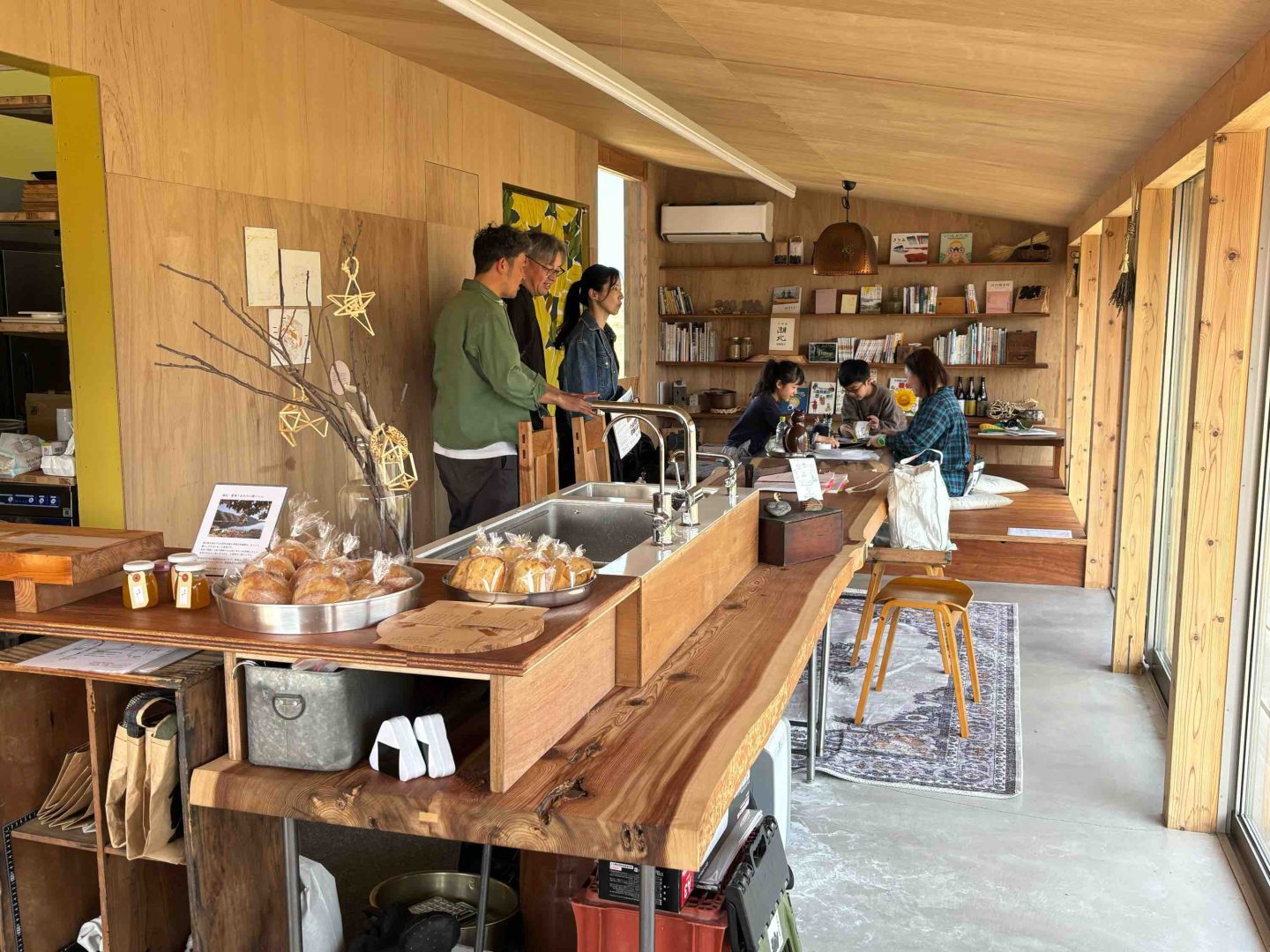
ただお米を提供するのではなく、お米を育て、収穫し、みんなで円卓を囲み、美味しいものを一緒にいただくこと。目の前の田んぼを眺めながら、その場所で生まれたさまざまな魅力を味わっていく。
その経験こそが今回の設計にとって重要なものだと感じました。
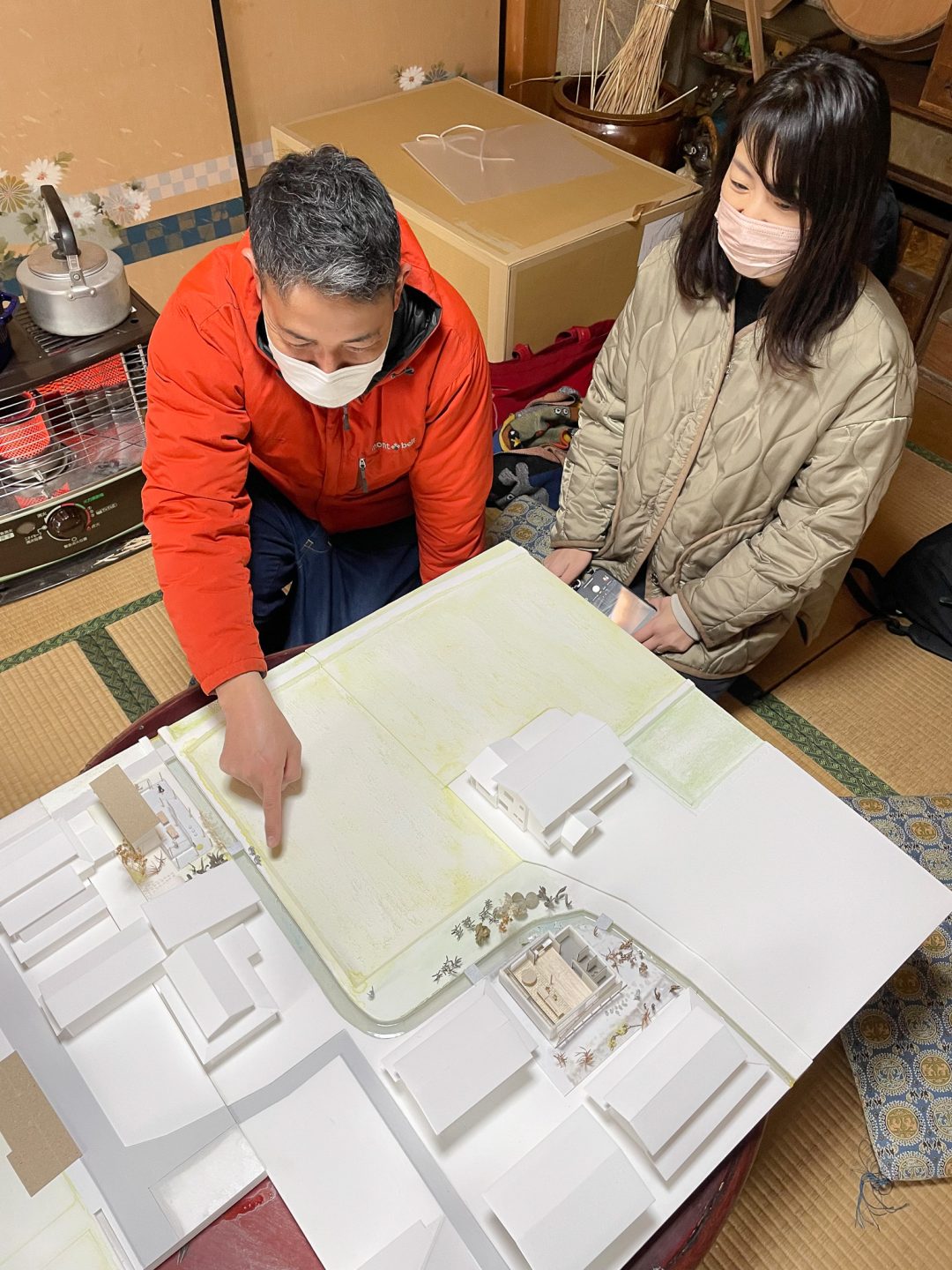
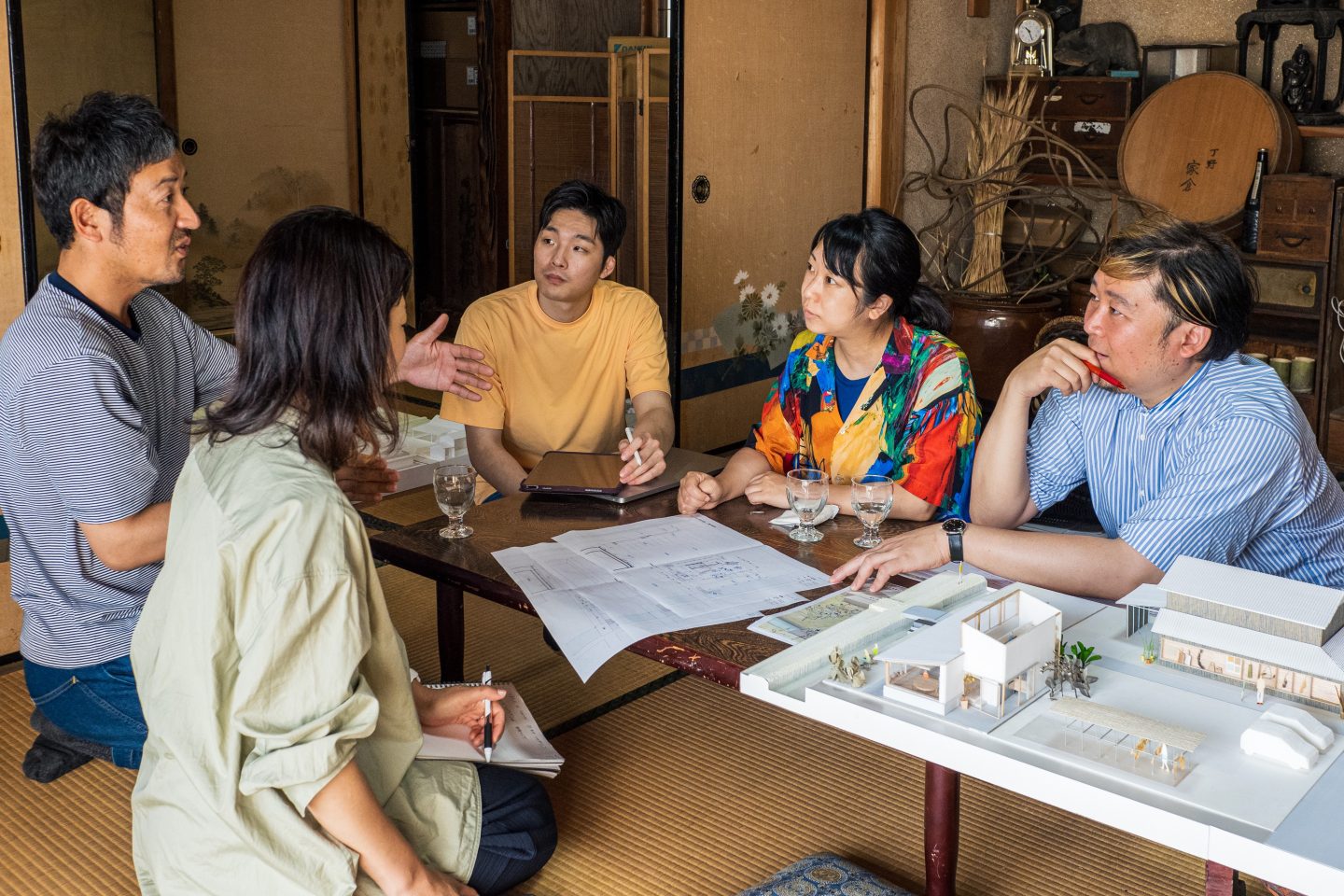
Through slow, careful conversations over time, a clearer picture of the new place they envisioned began to emerge.
For several years, the couple had been participating in agriculture-focused events, sharing the richness of making things from ingredients harvested in their fields and paddies. For example: cooking rice in a kettle to make onigiri in different flavors; preparing sweets from rice flour and serving them to others; drying the harvested rice stalks and crafting straw works.
As they experimented day by day with new ways of expressing the deliciousness of rice, what they needed was a creative environment, a program that would function like a workshop, like a laboratory, where their ideas and making could naturally unfold.
Rather than simply providing rice, they wished to cultivate it, harvest it, gather around a round table with others, and enjoy good food together.
To gaze out over the paddies before them and taste the many charms that arise from this land, in this very place.
We came to feel that this was the essential spirit needed to guide the design.

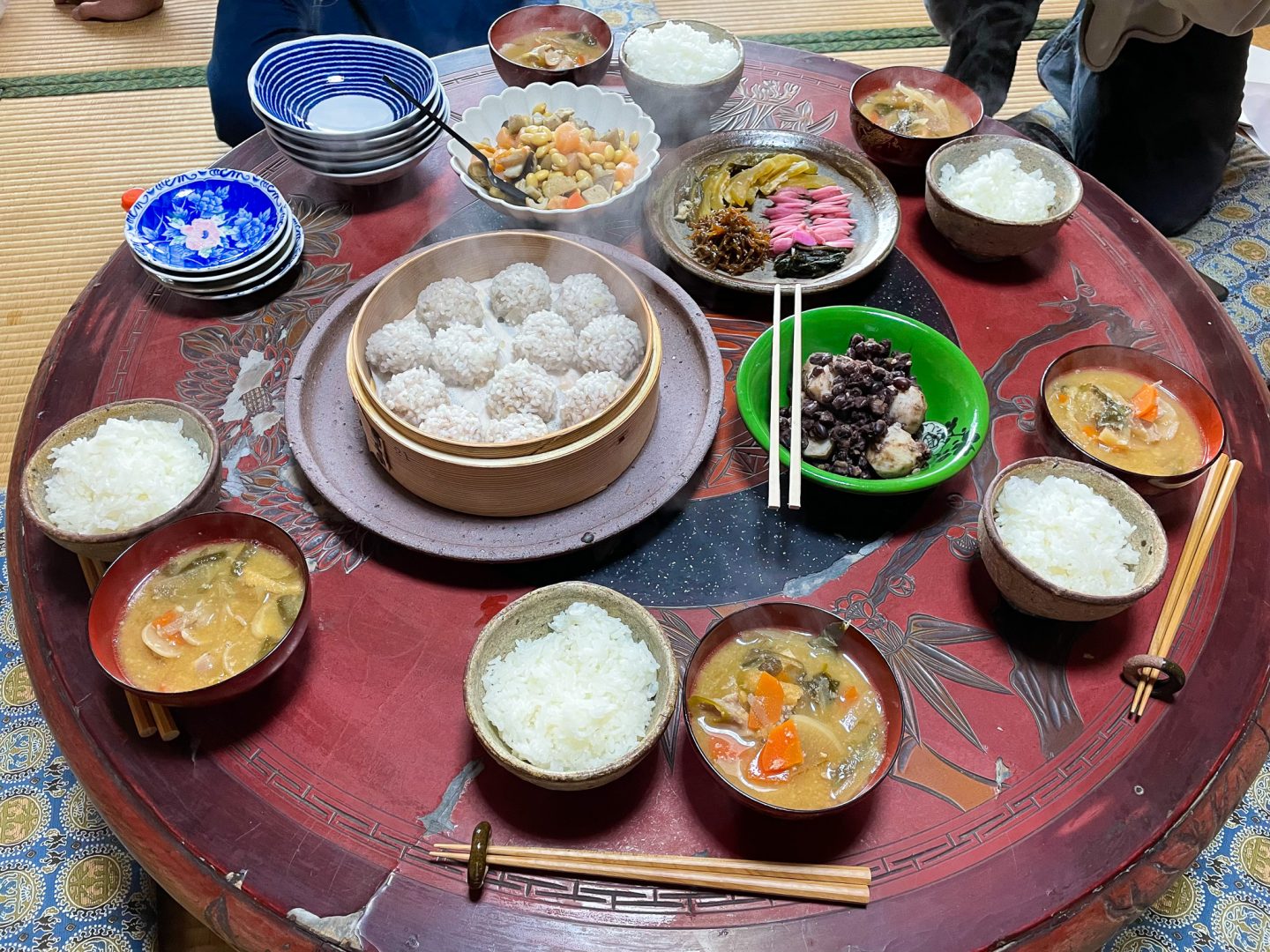
プロセス3- 田んぼからはじまる「お米ラボ」|Phase 3 – The “Rice Lab” Starting from the Rice Paddies
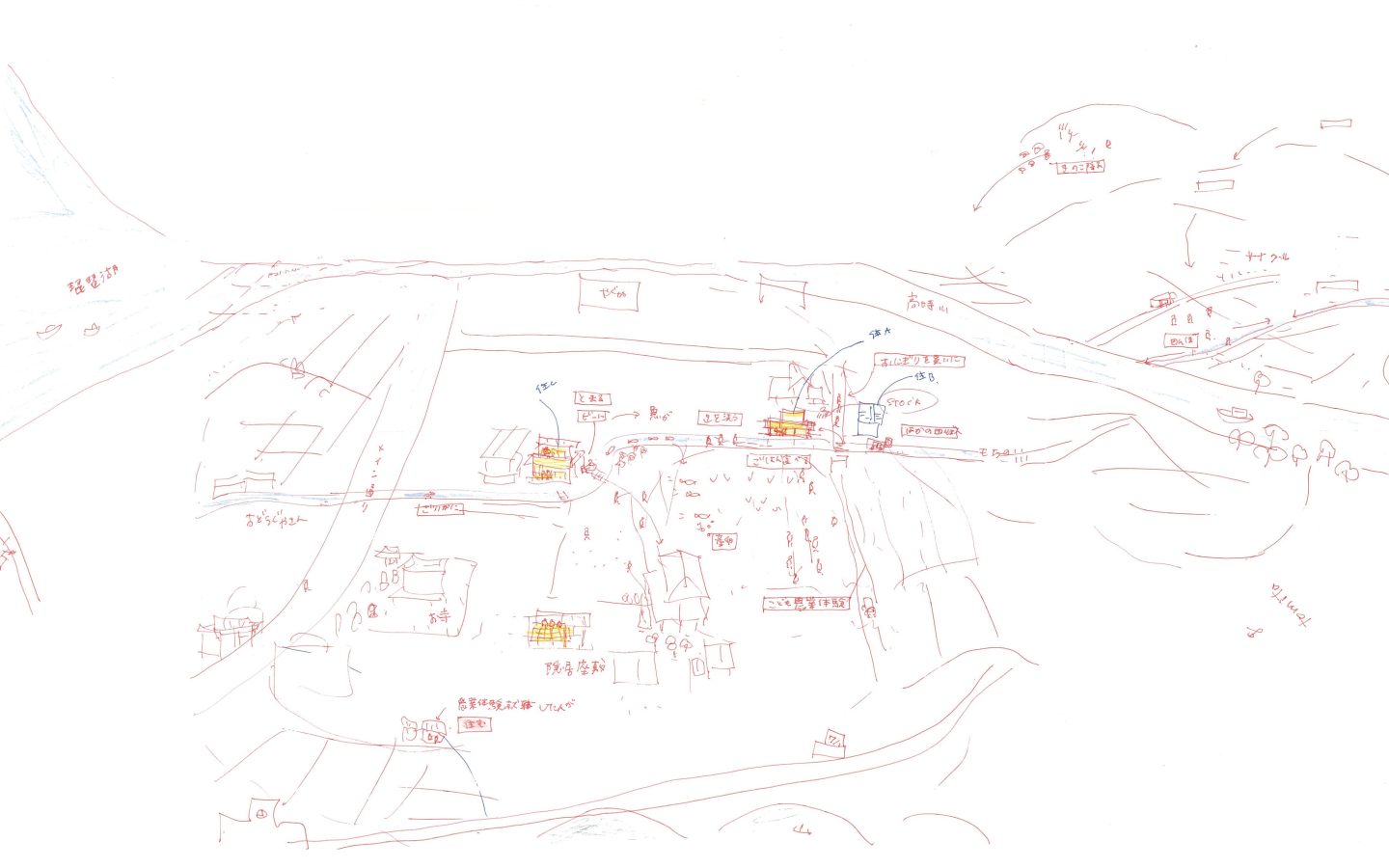
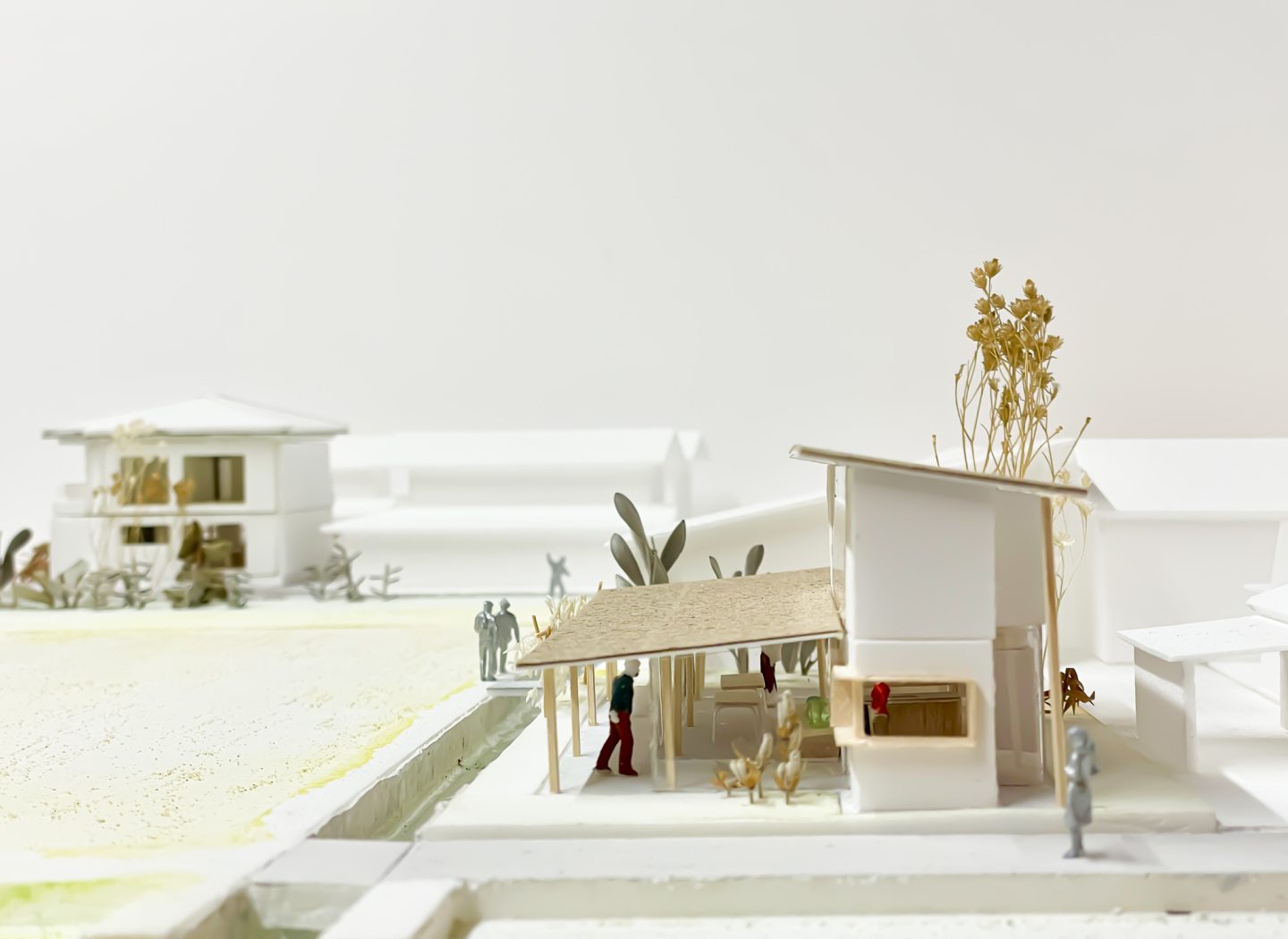
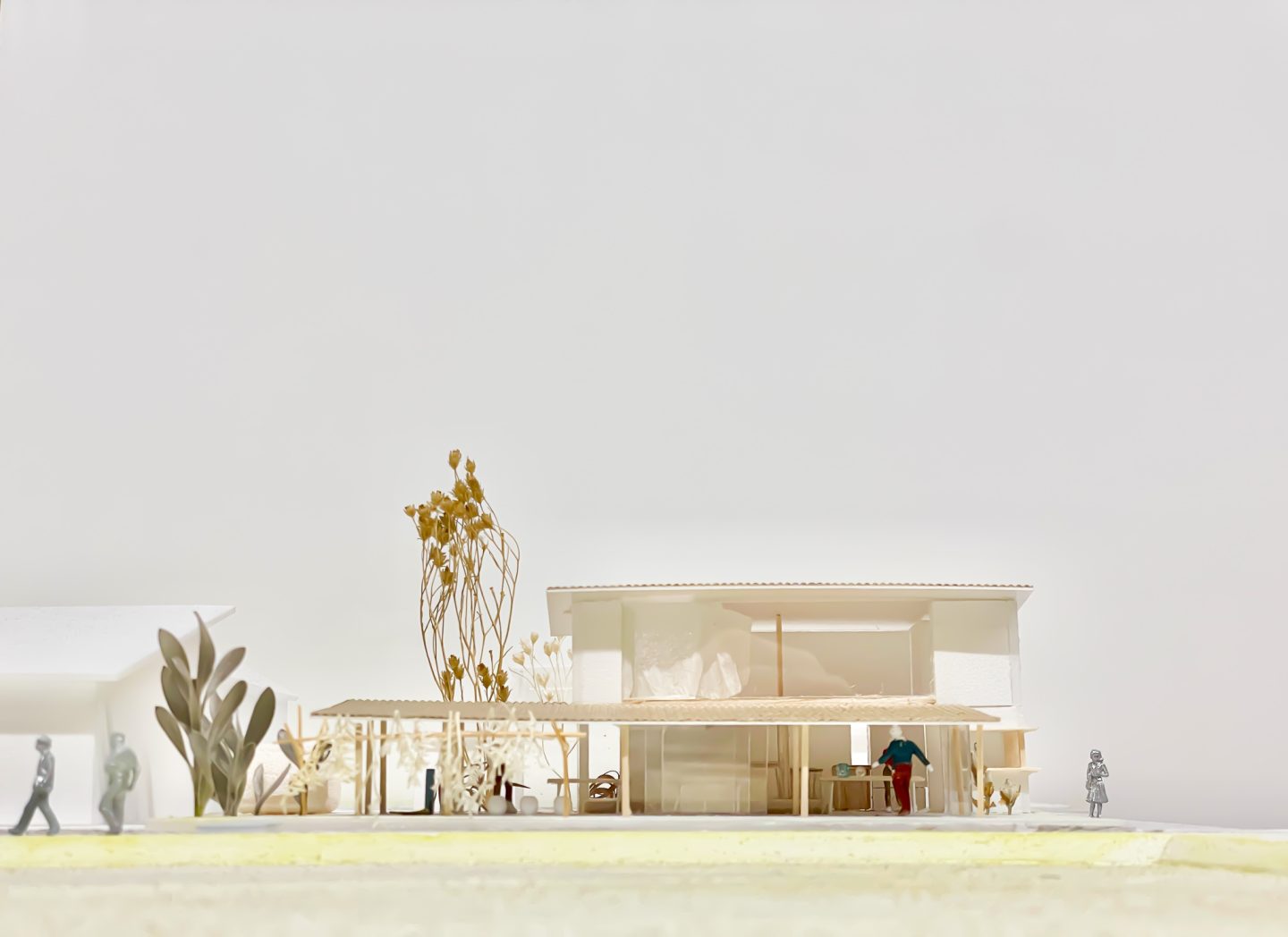
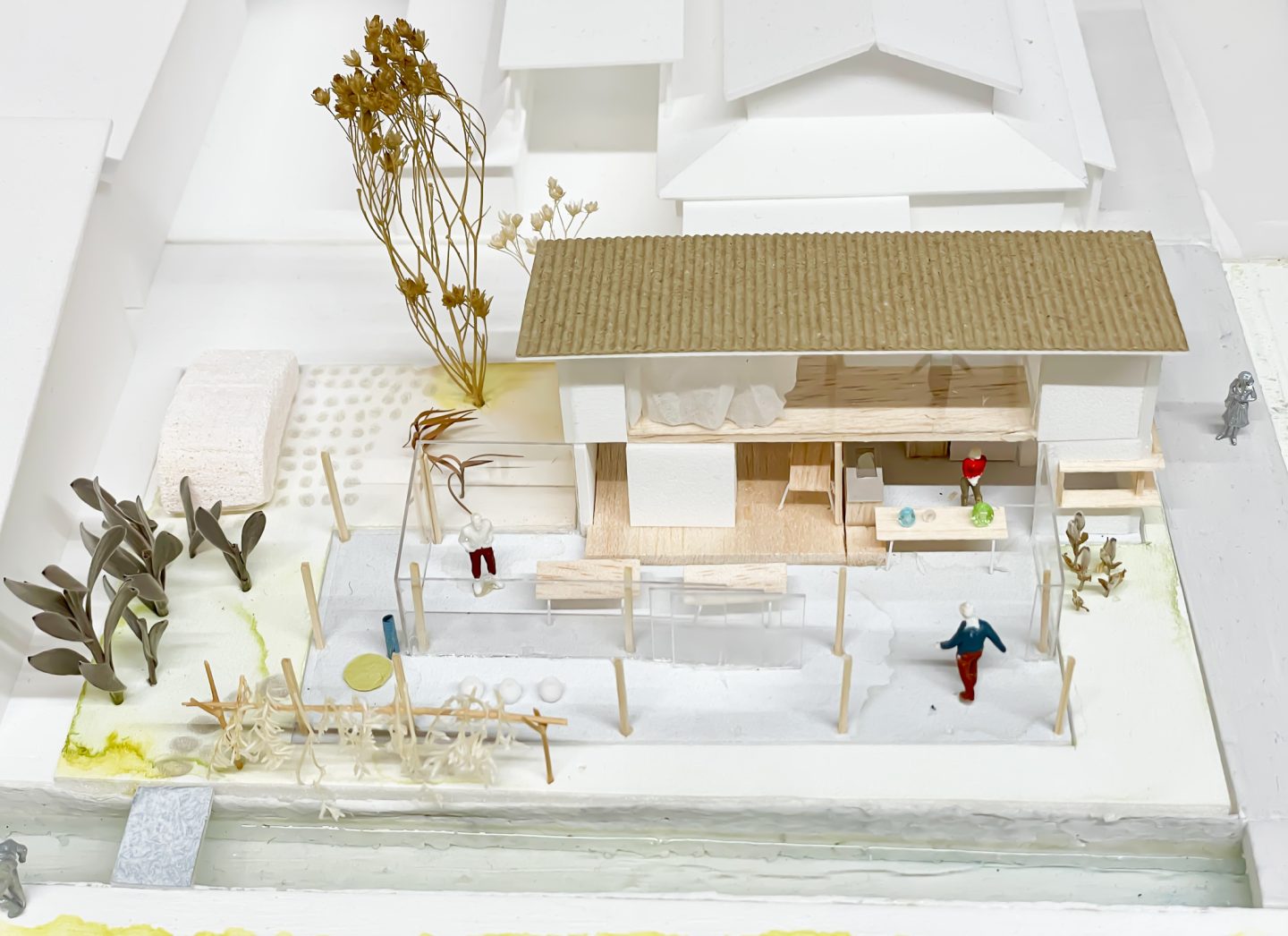
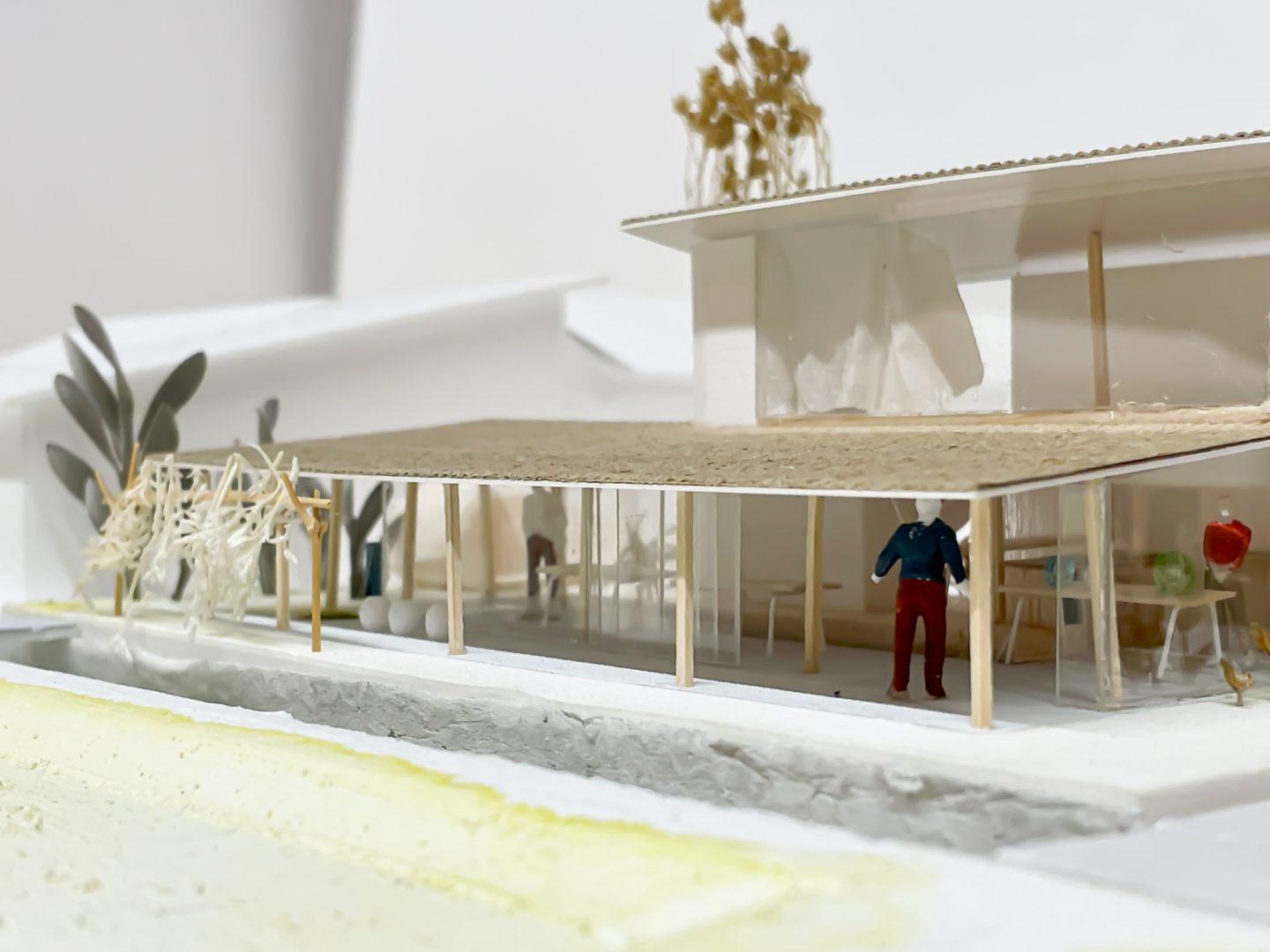
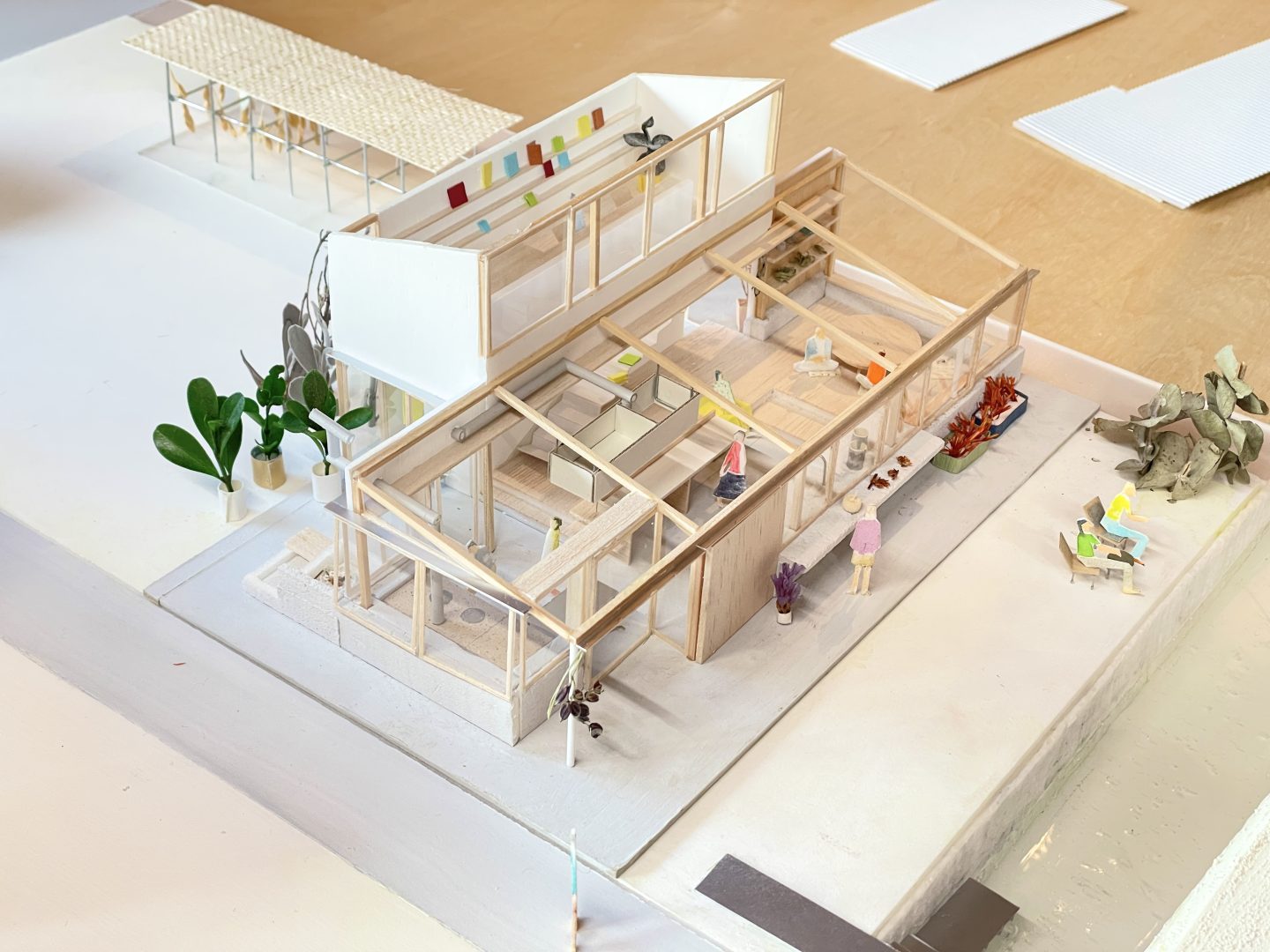
「作るもの・作っているもの・作られるもの」それぞれが建築の内外を超えたひとつの環境の中で関係を持ちながら居合わせられるような状態を目指しています。二人のアイデンティティを発信できるこの場所が集落に新たな風を吹き込み、農村と都市、地域や人との新たな出会いを築く、新しい拠点になっていくのではないかと考えています。
We aim for a condition in which “what is made / what is being made / and what is yet to be made” can coexist within a single environment, one that transcends the boundaries between interior and exterior space.
We imagine this place, where the couple can express their own identity, becoming a new node within the settlement: a base that brings a fresh breeze to the community, fosters new encounters between countryside and city, and opens connections between people and place.
パート2 実施設計|Part 2: Design Development
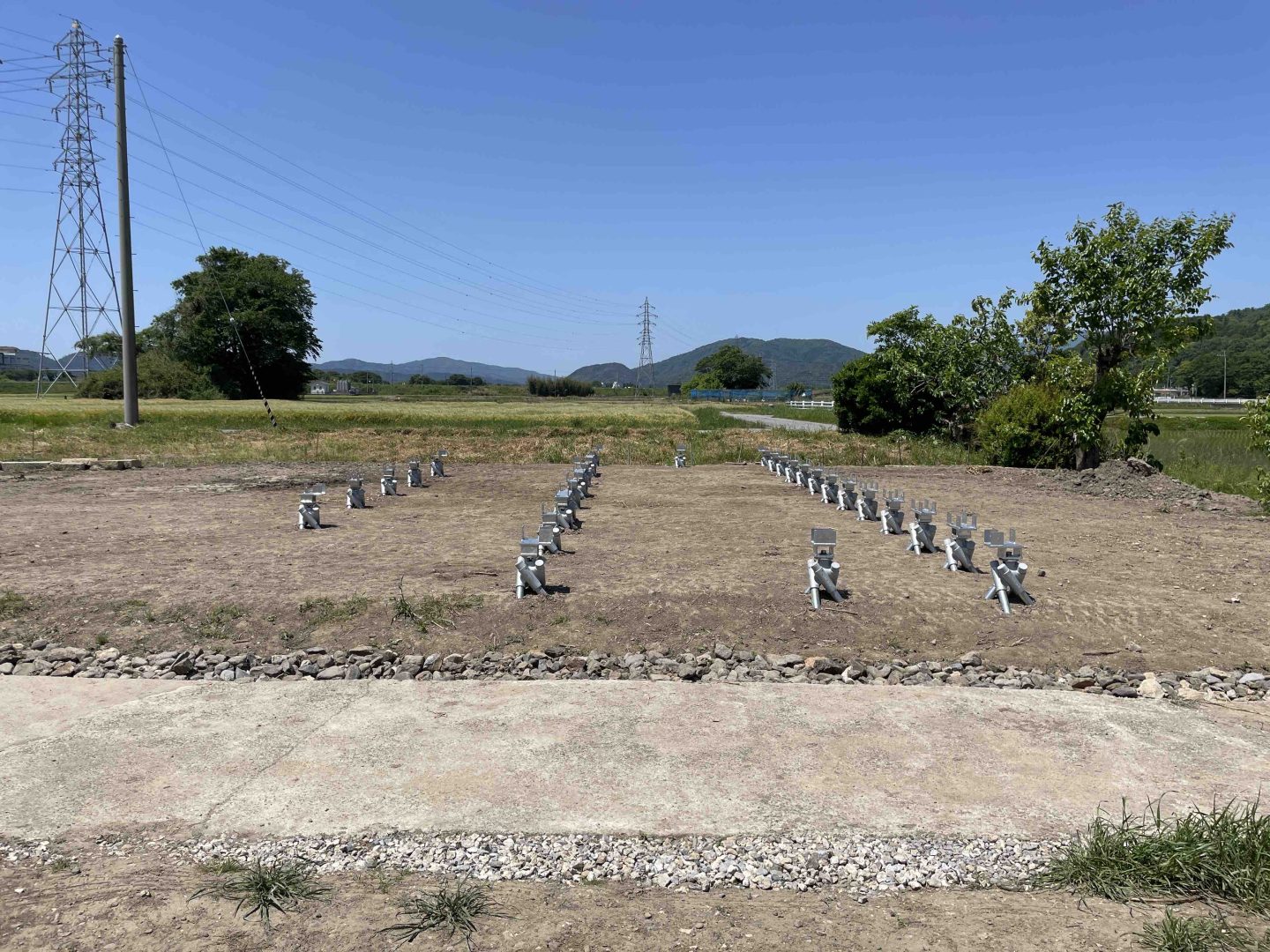
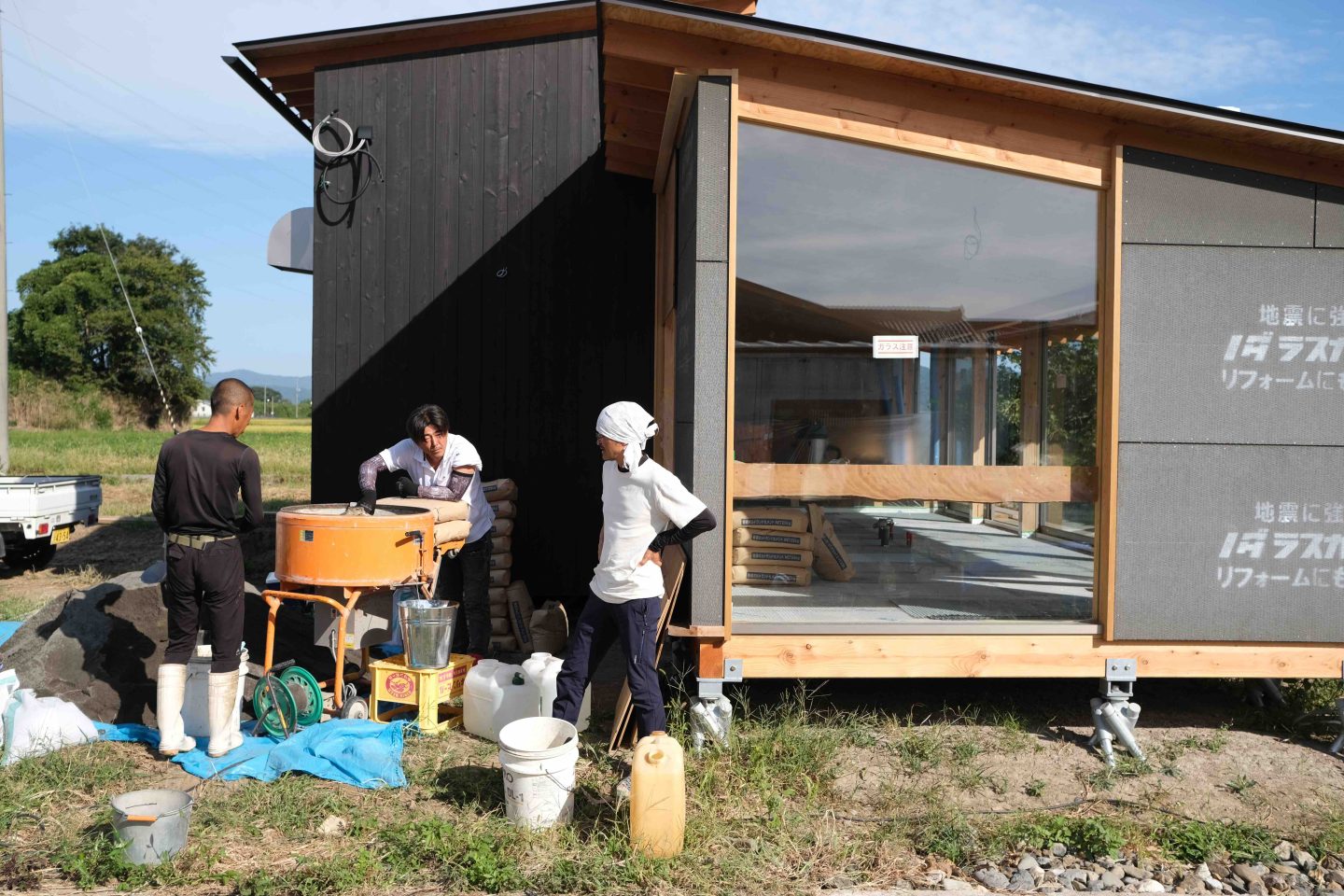
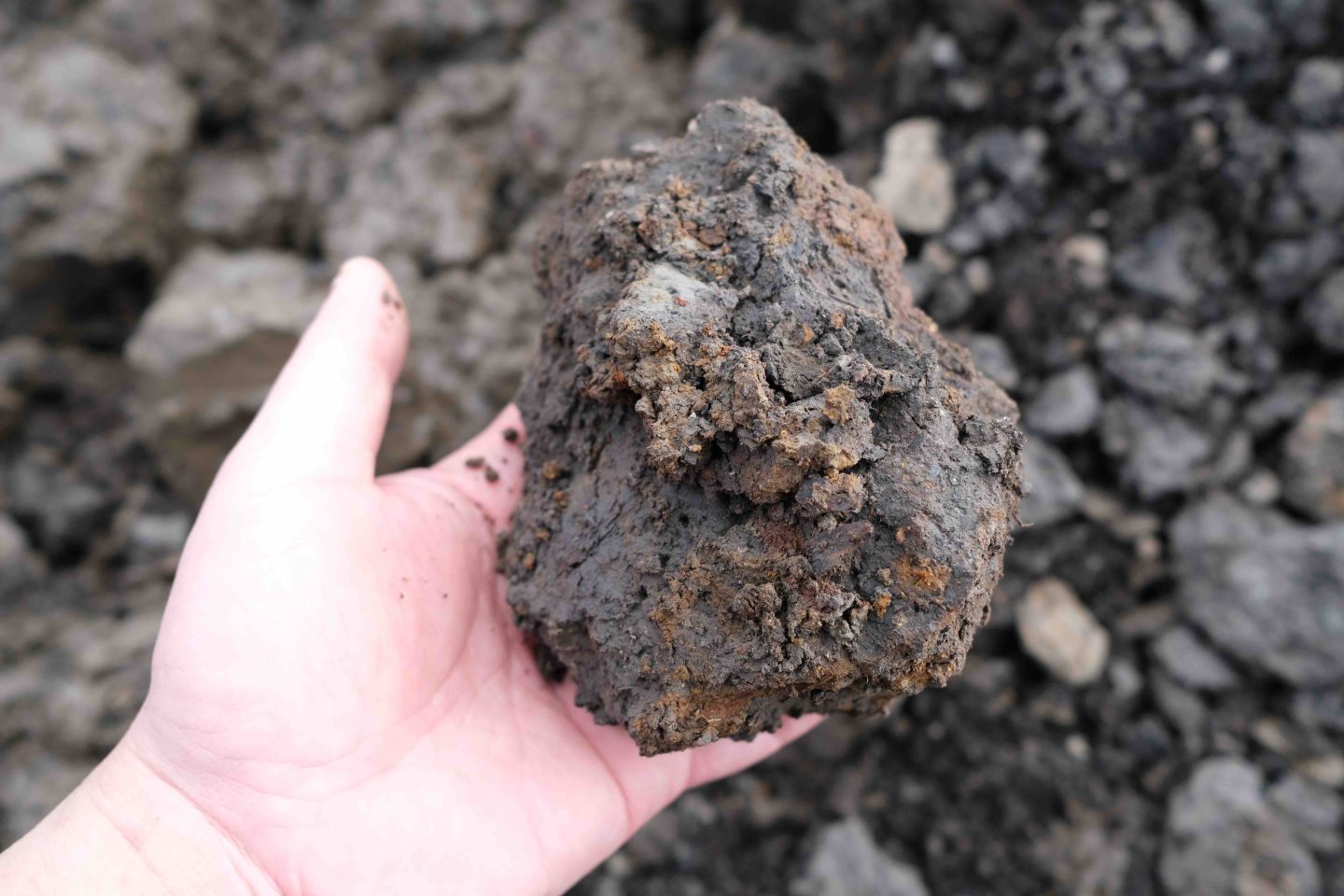
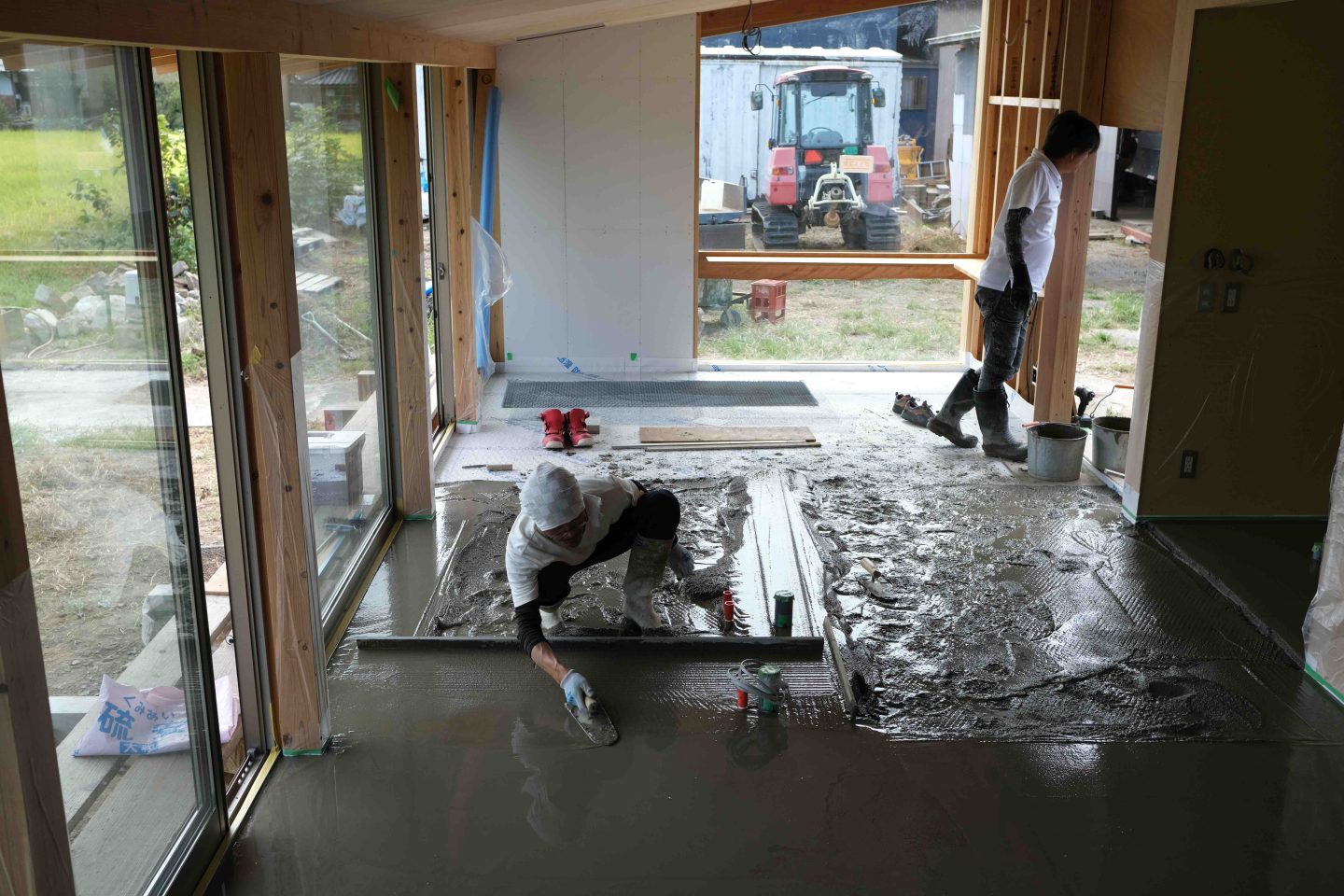
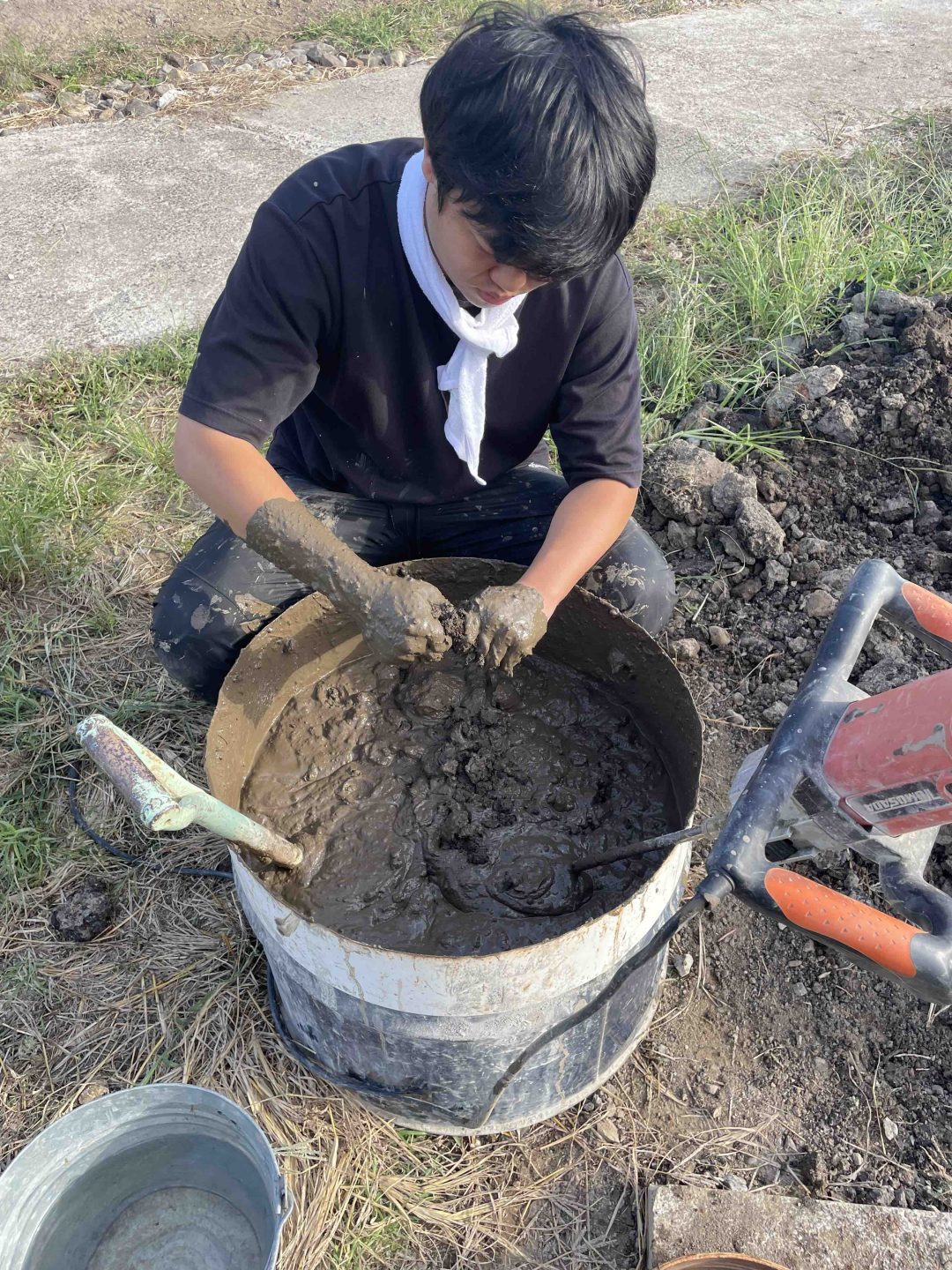
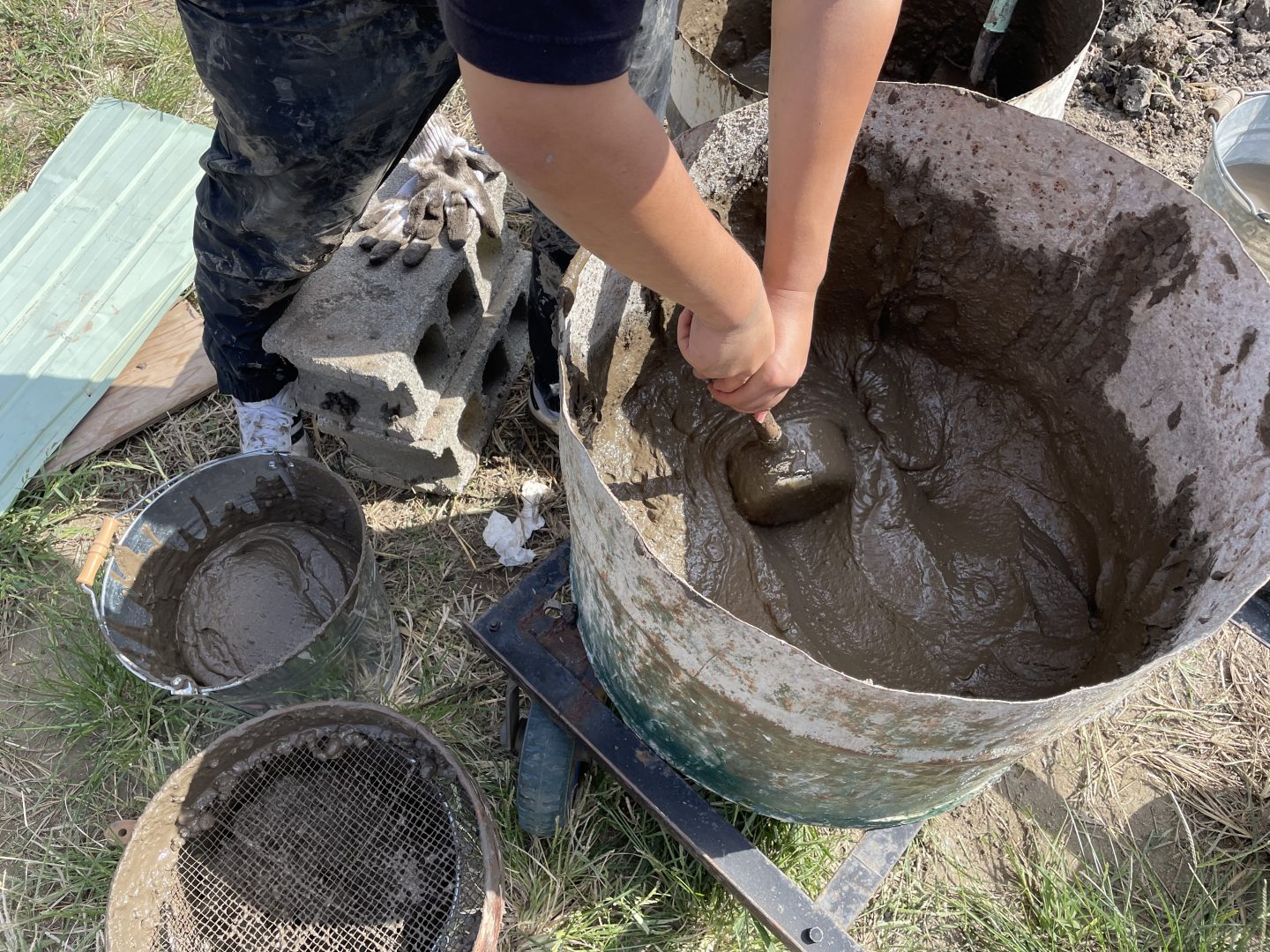
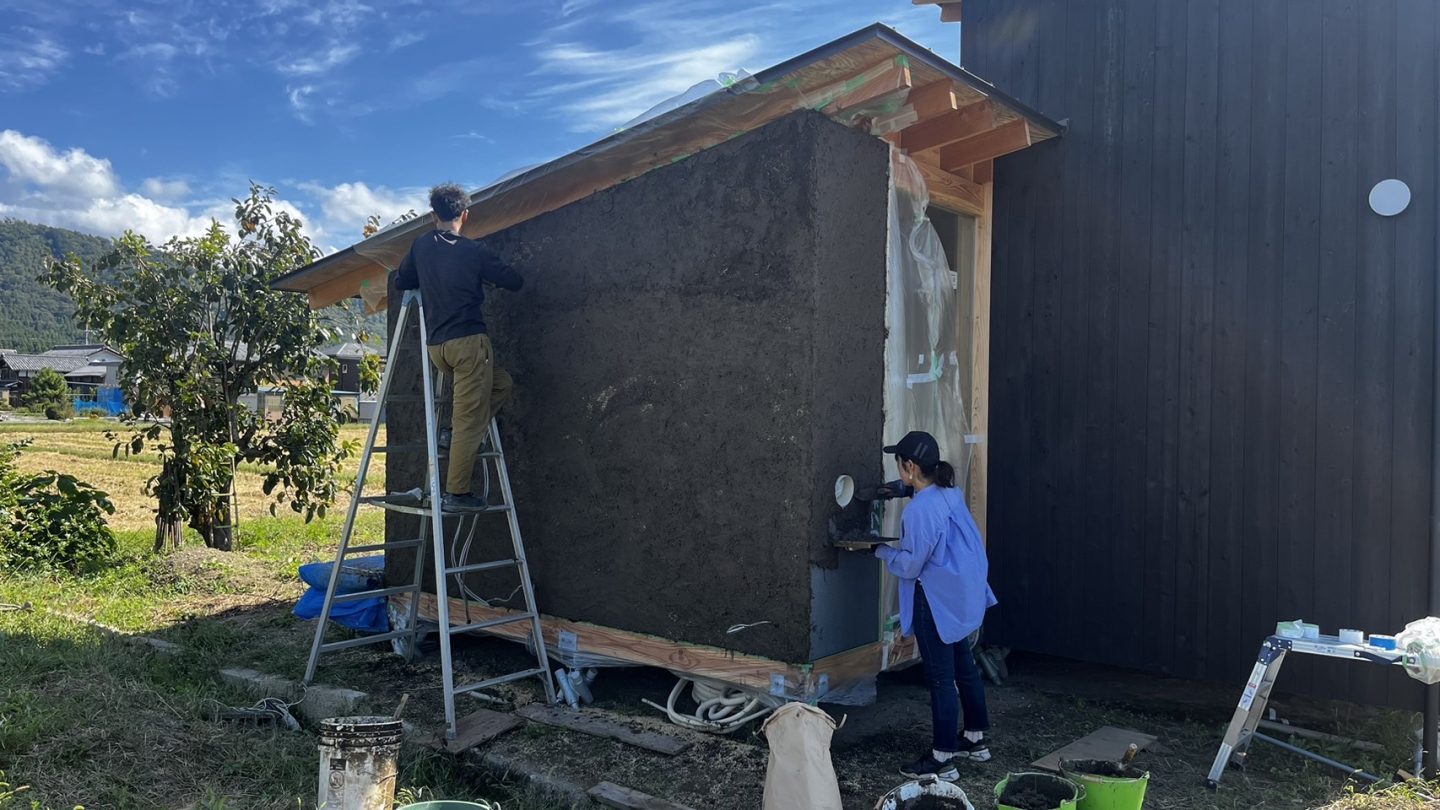
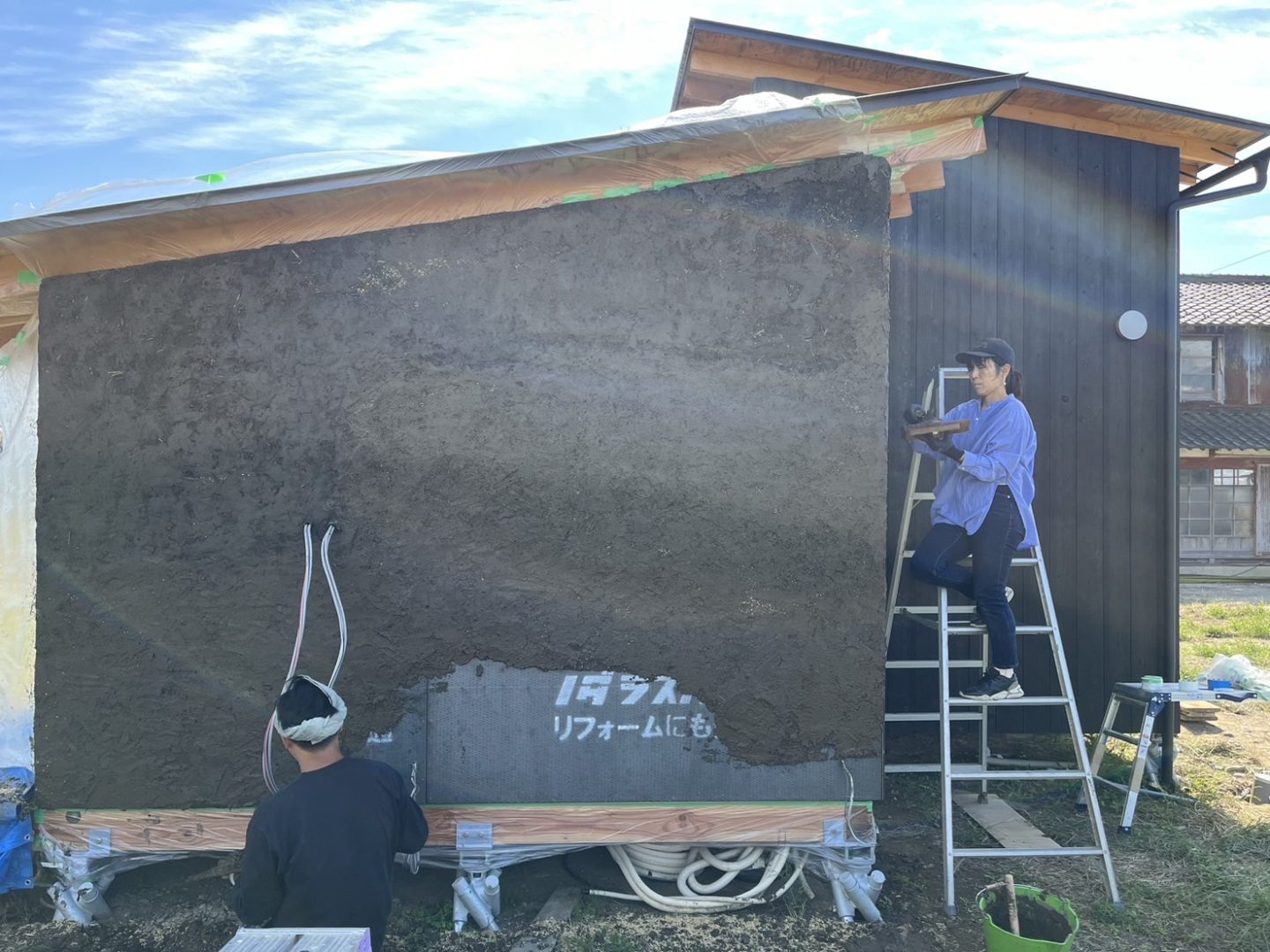
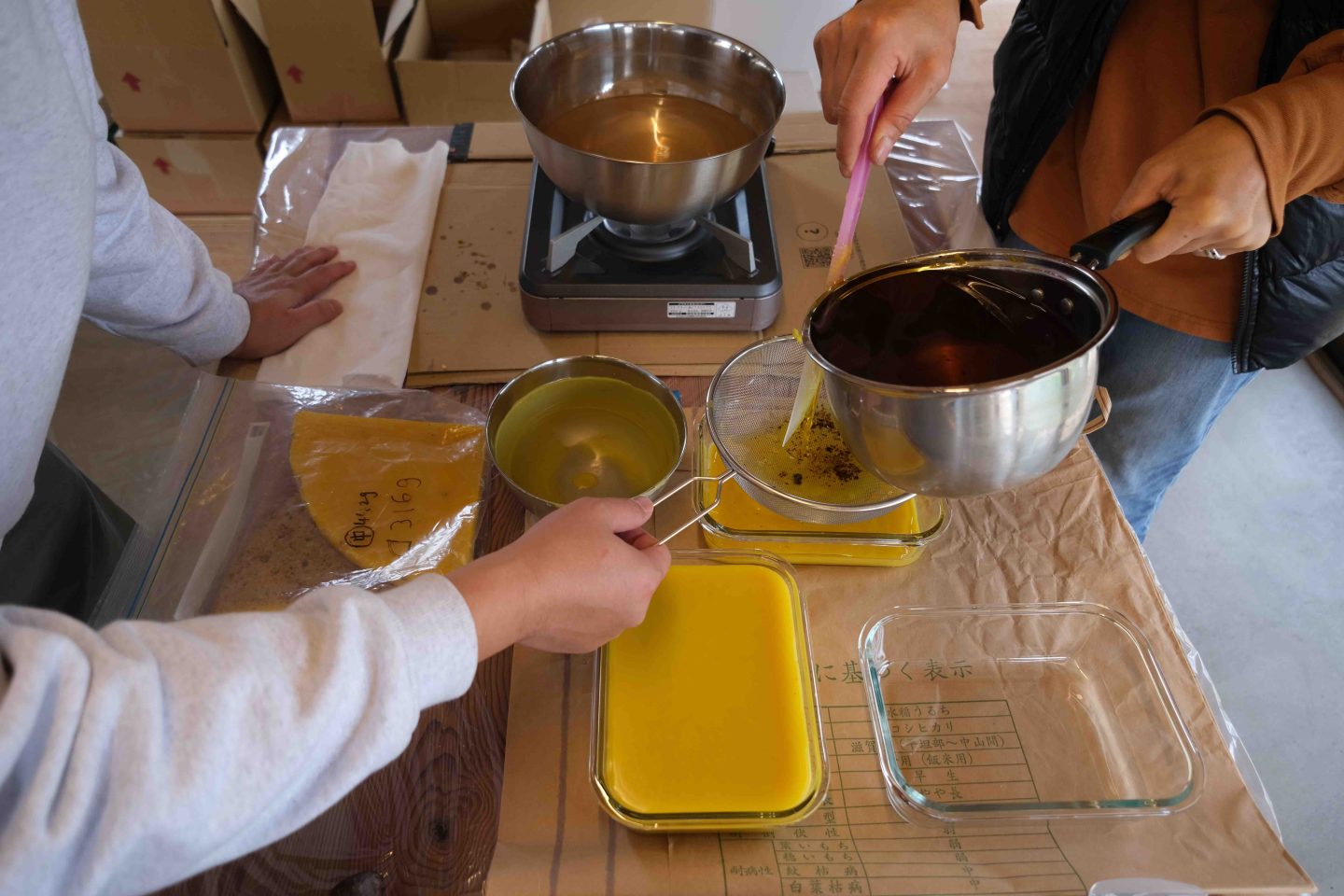
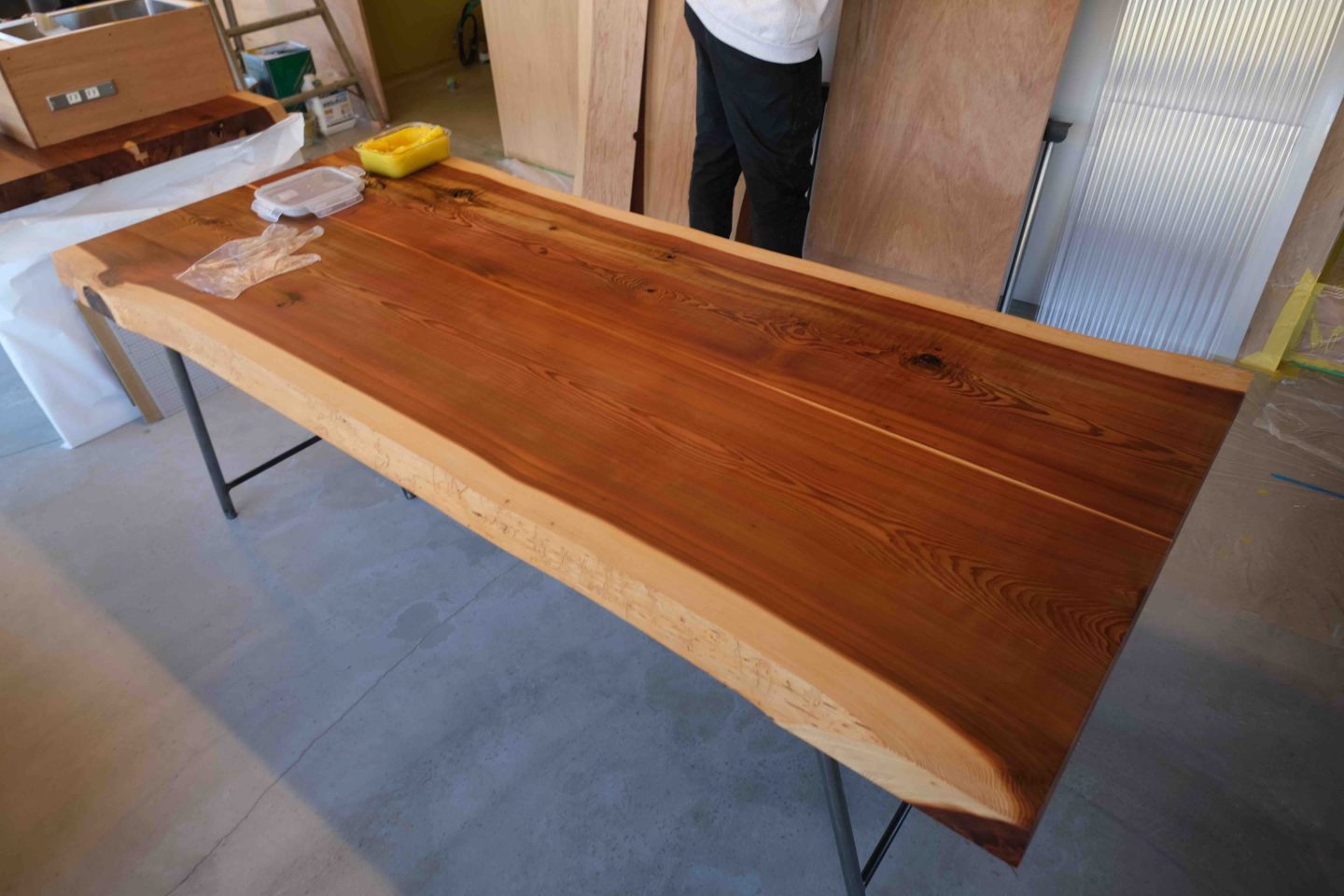
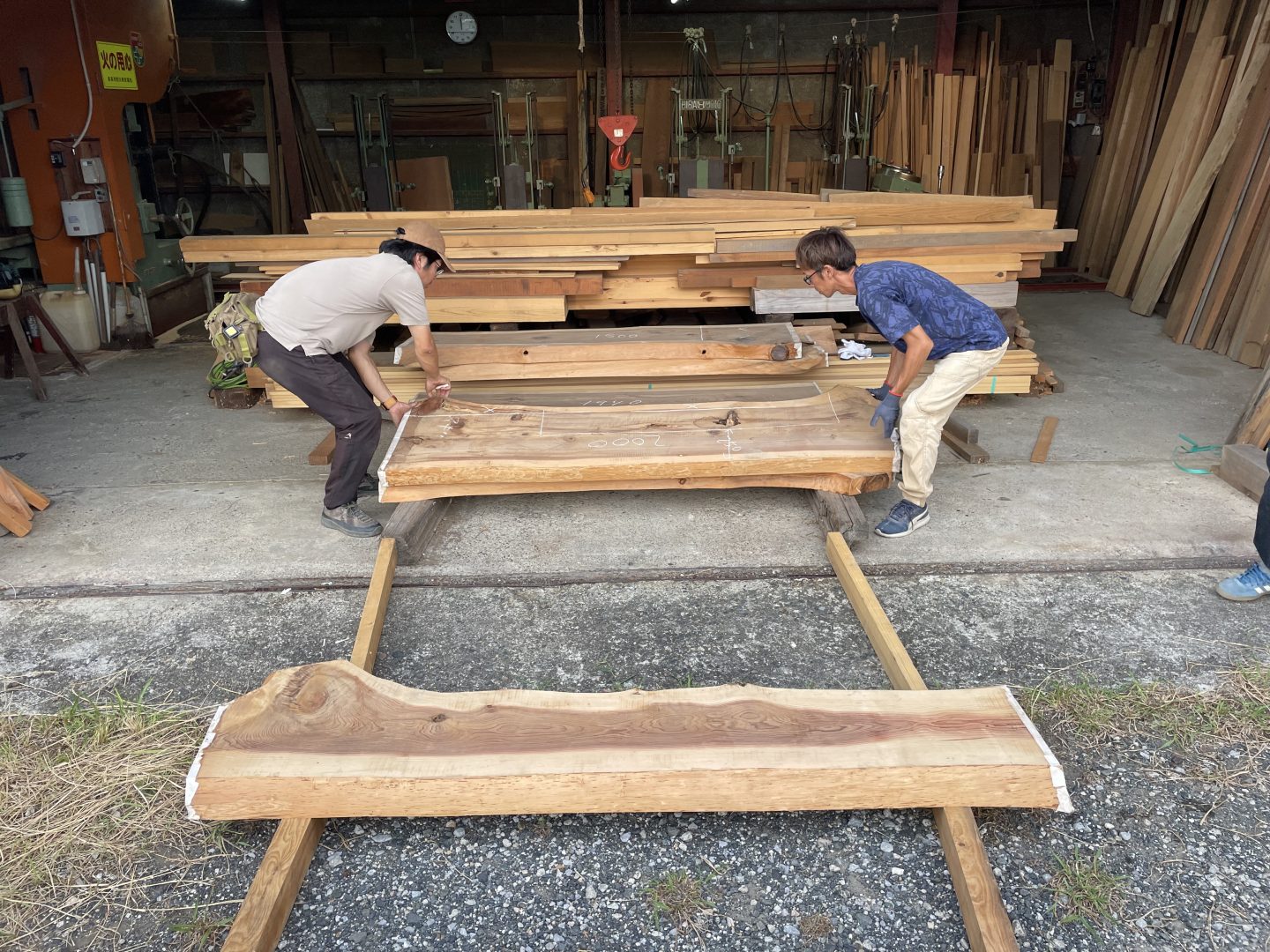
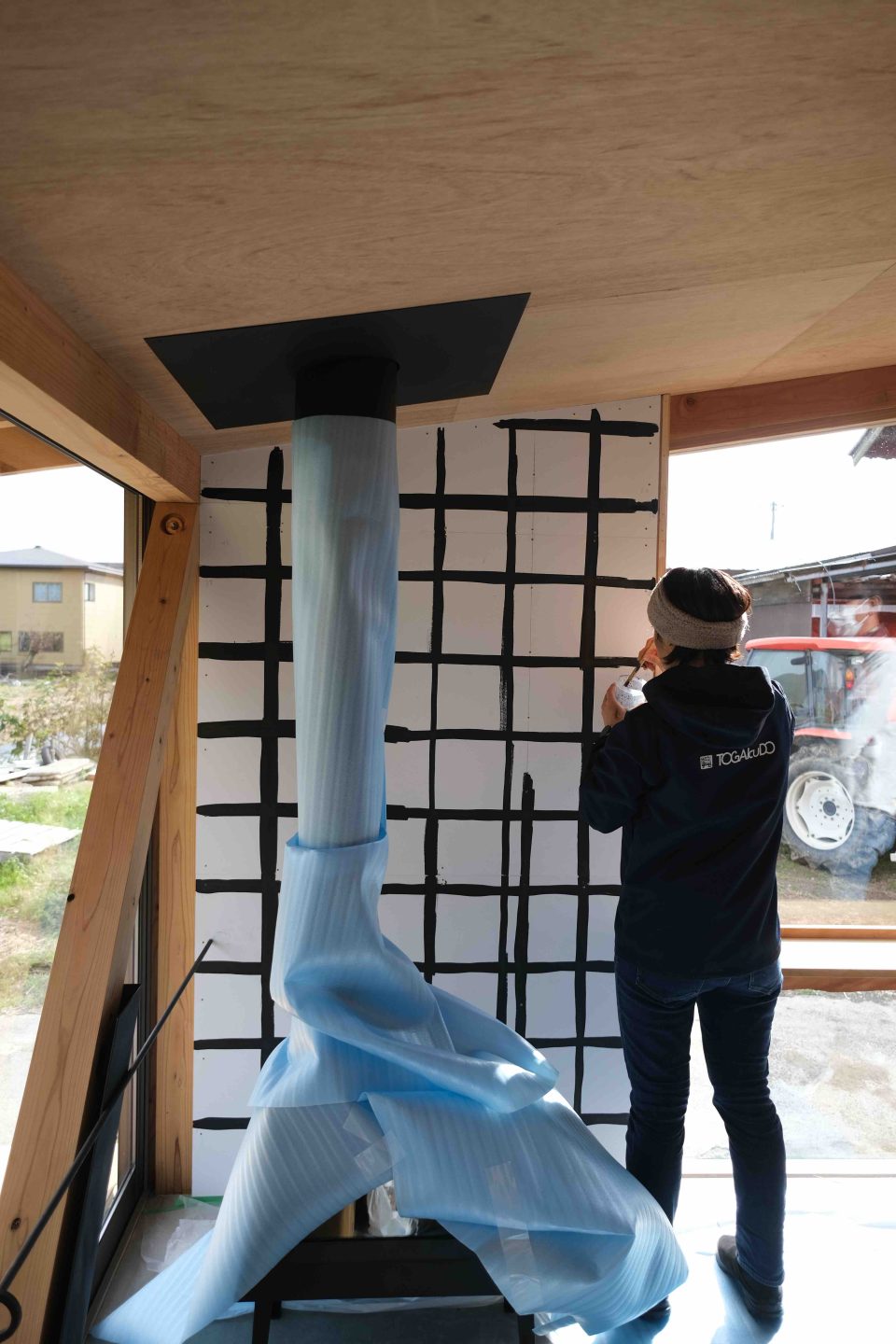
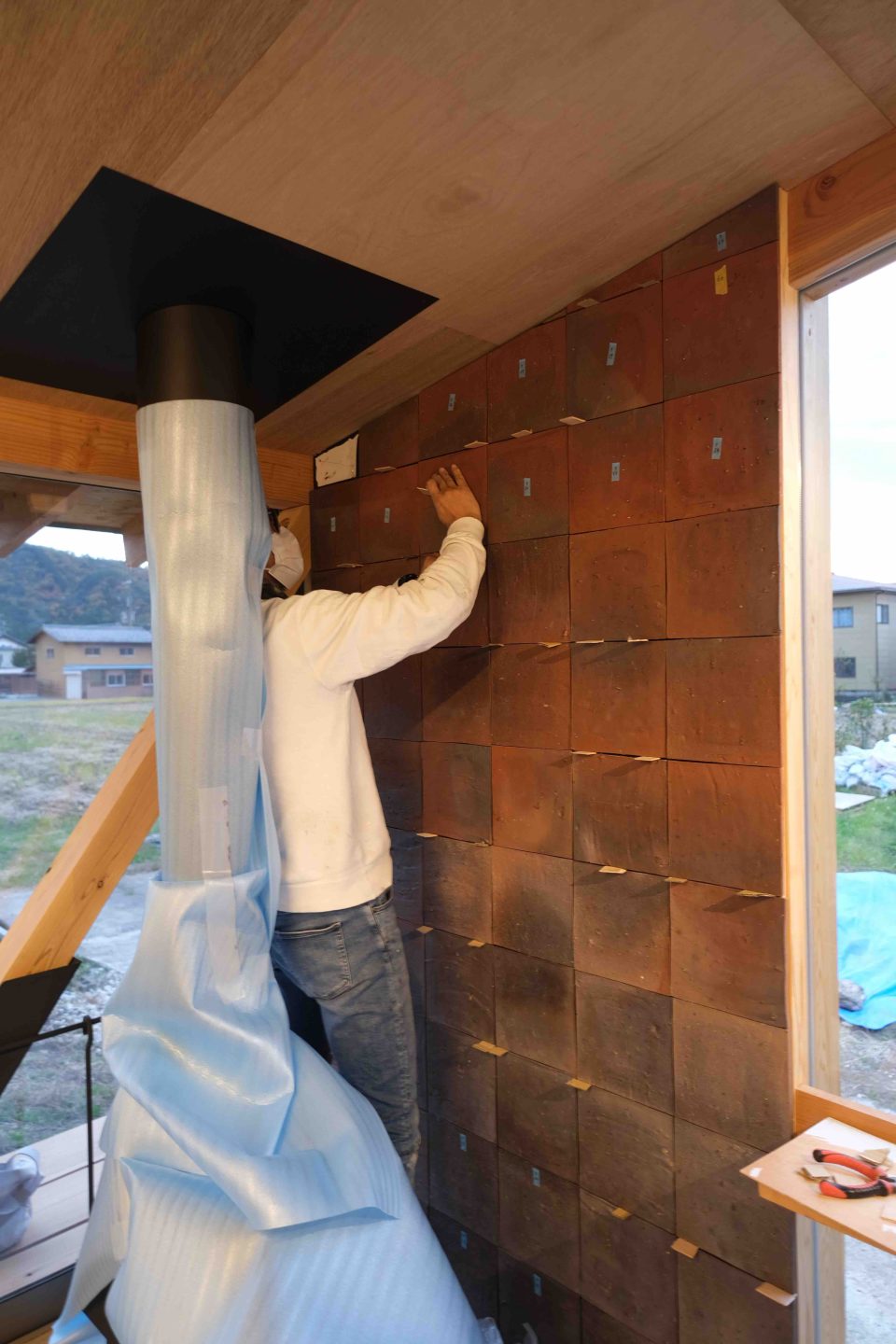
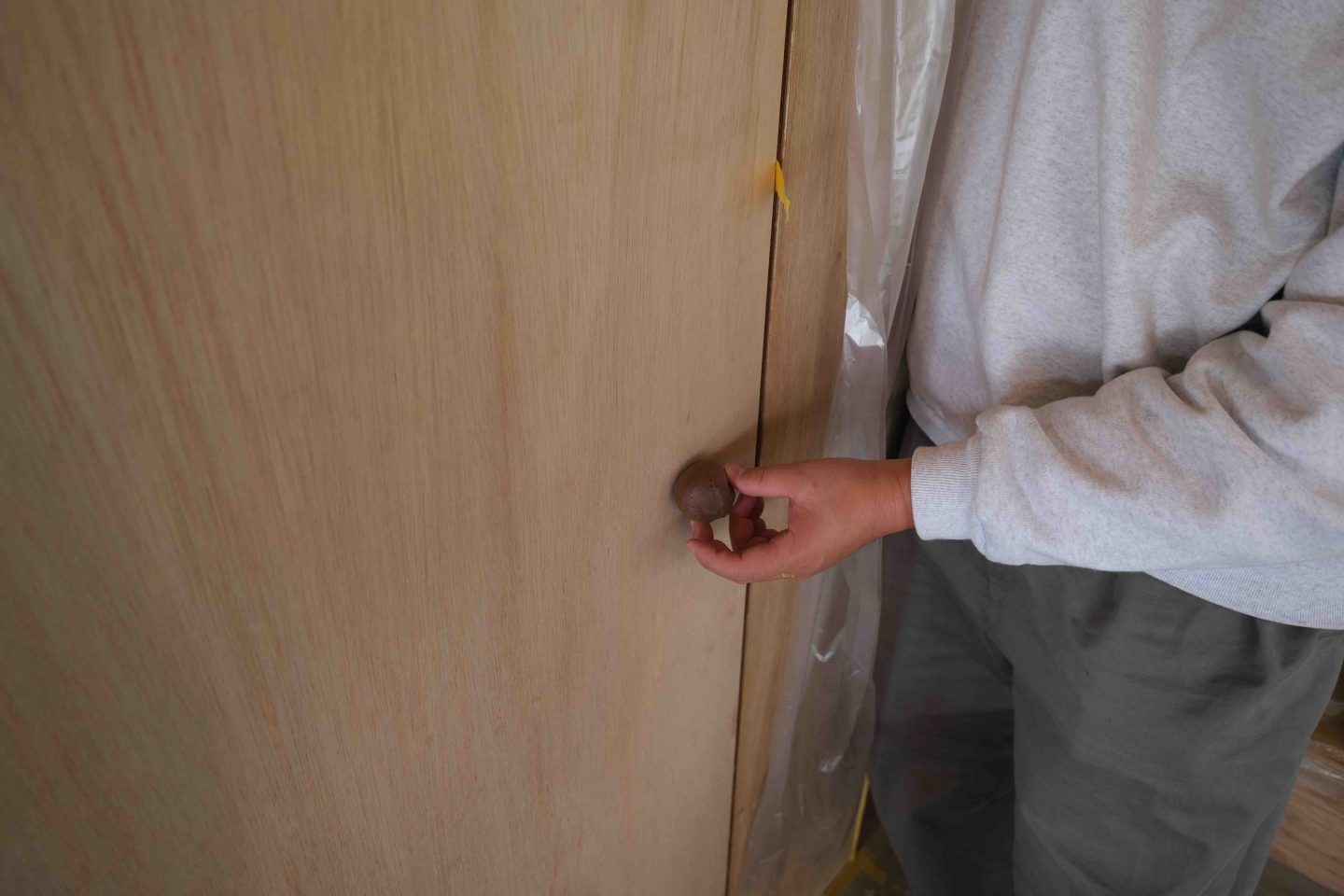
パート 3 現場の様子|Part 3: On-Site Progress
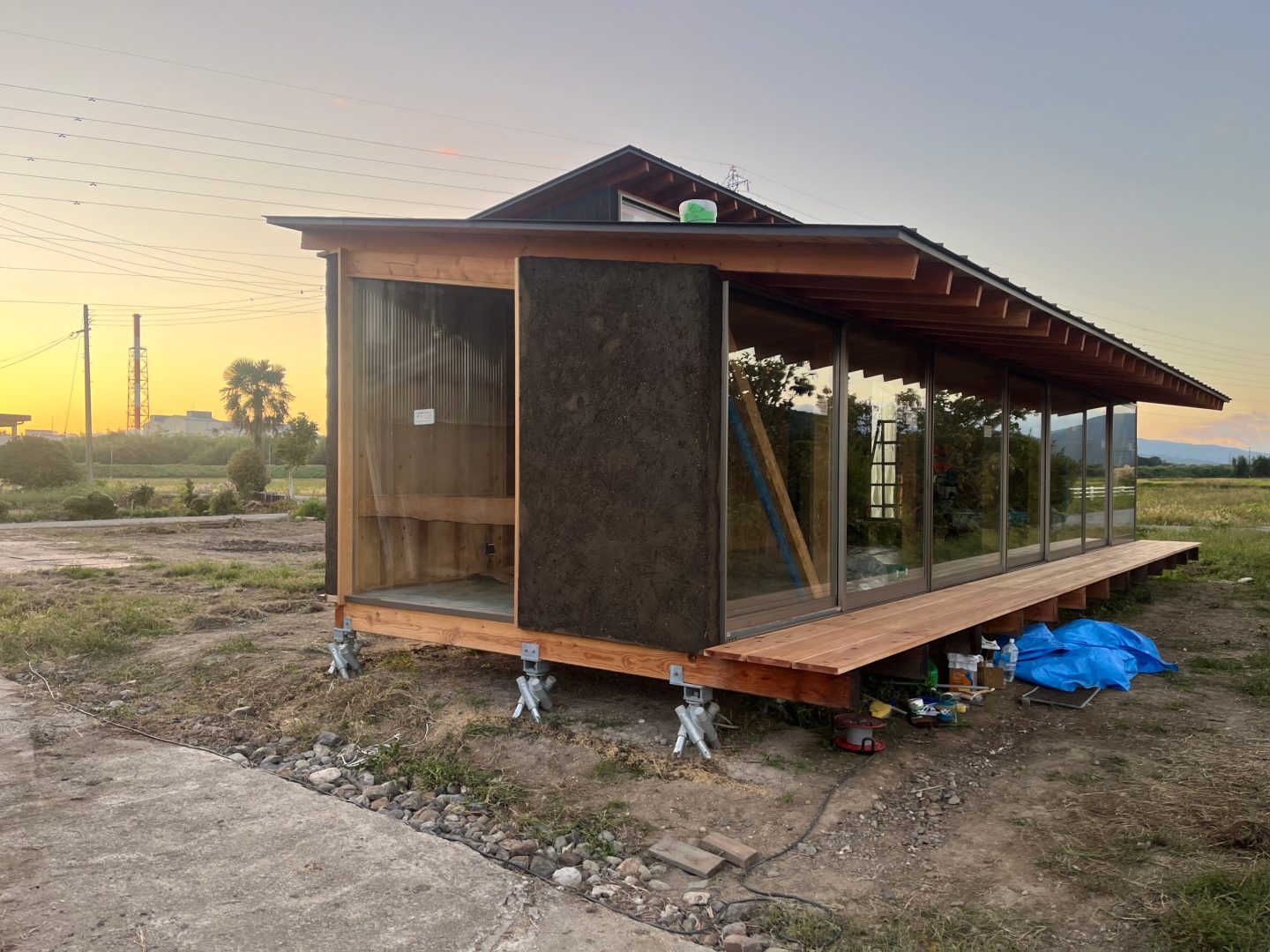
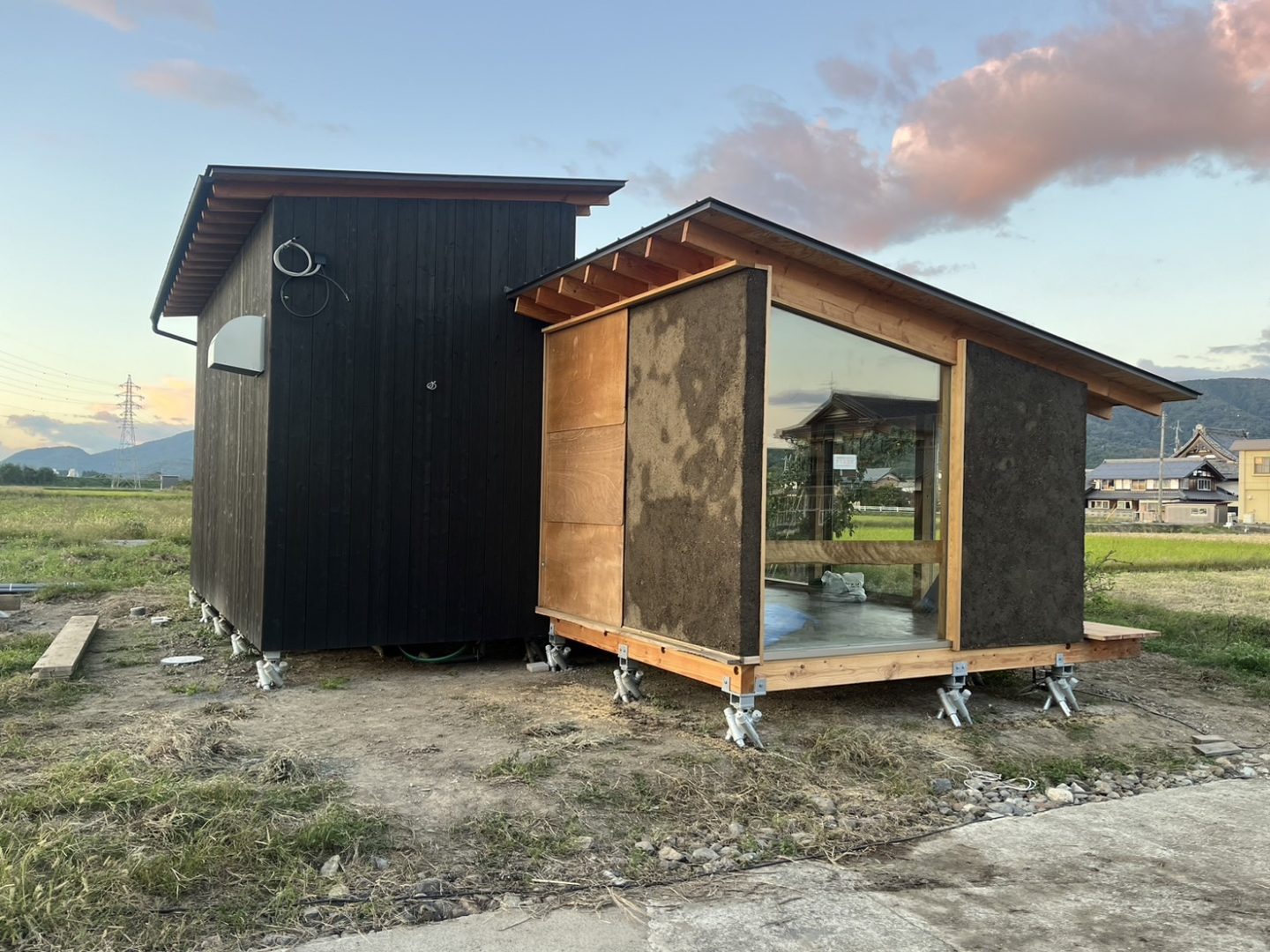
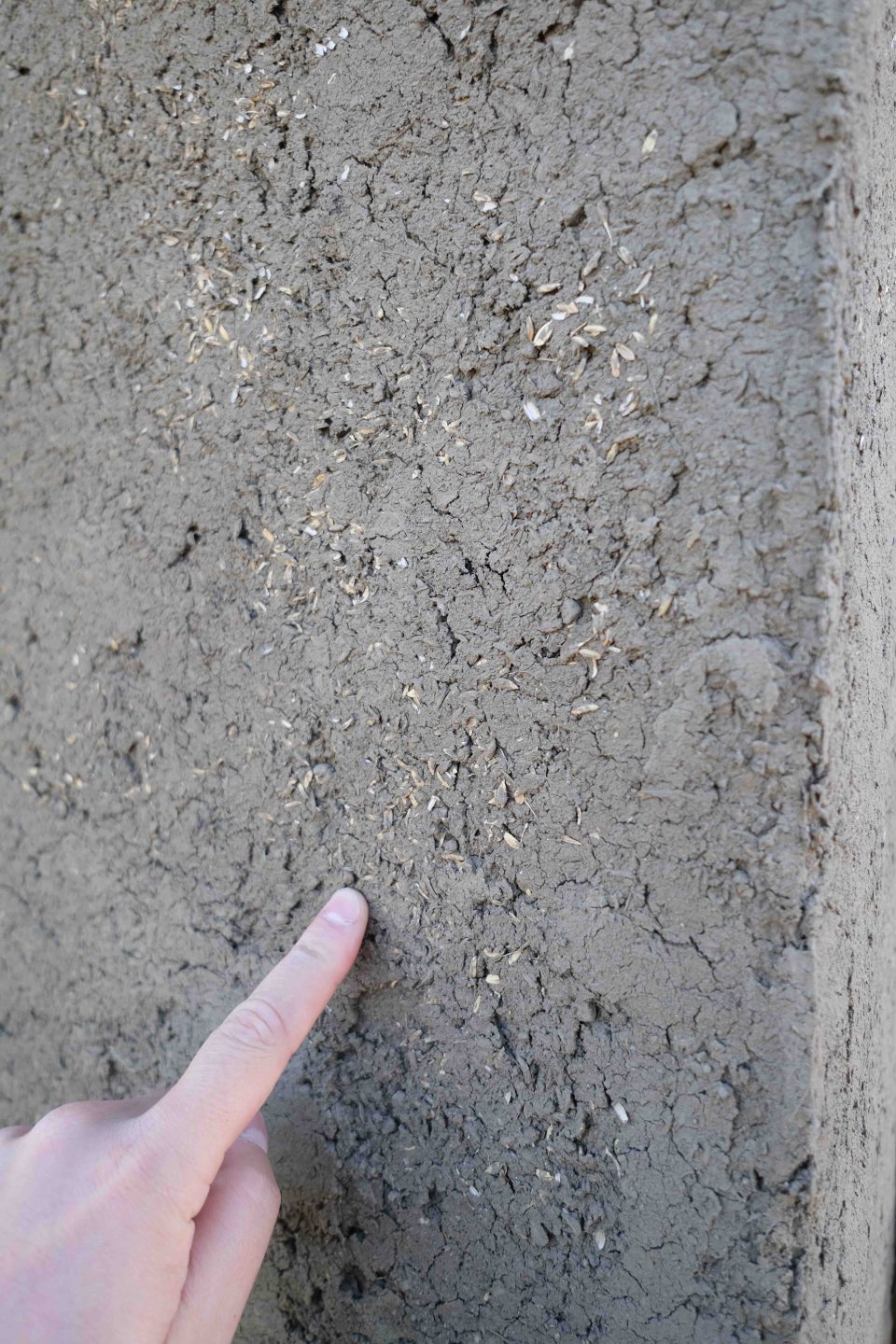
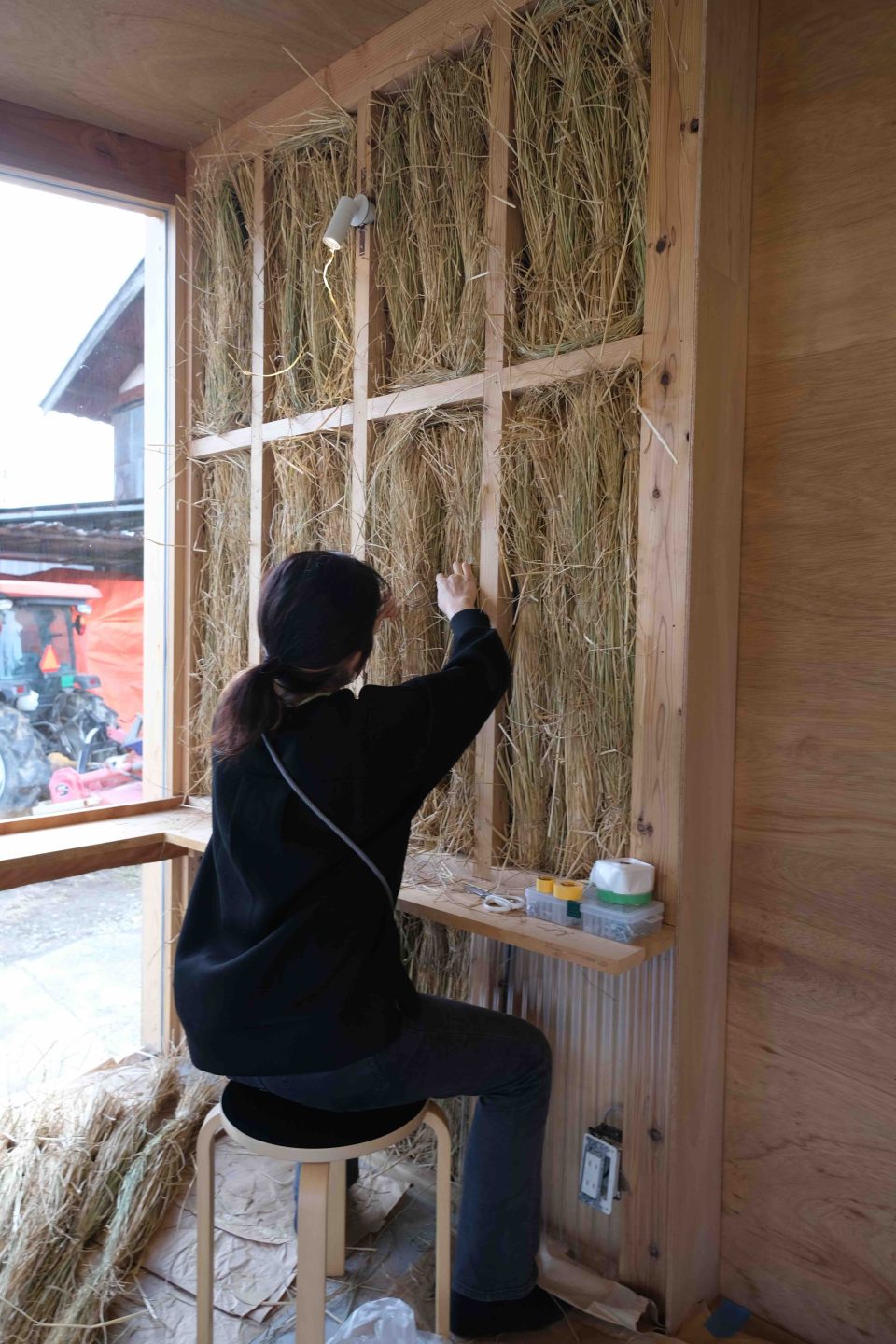
パート4 竣工|Part 4: Completion
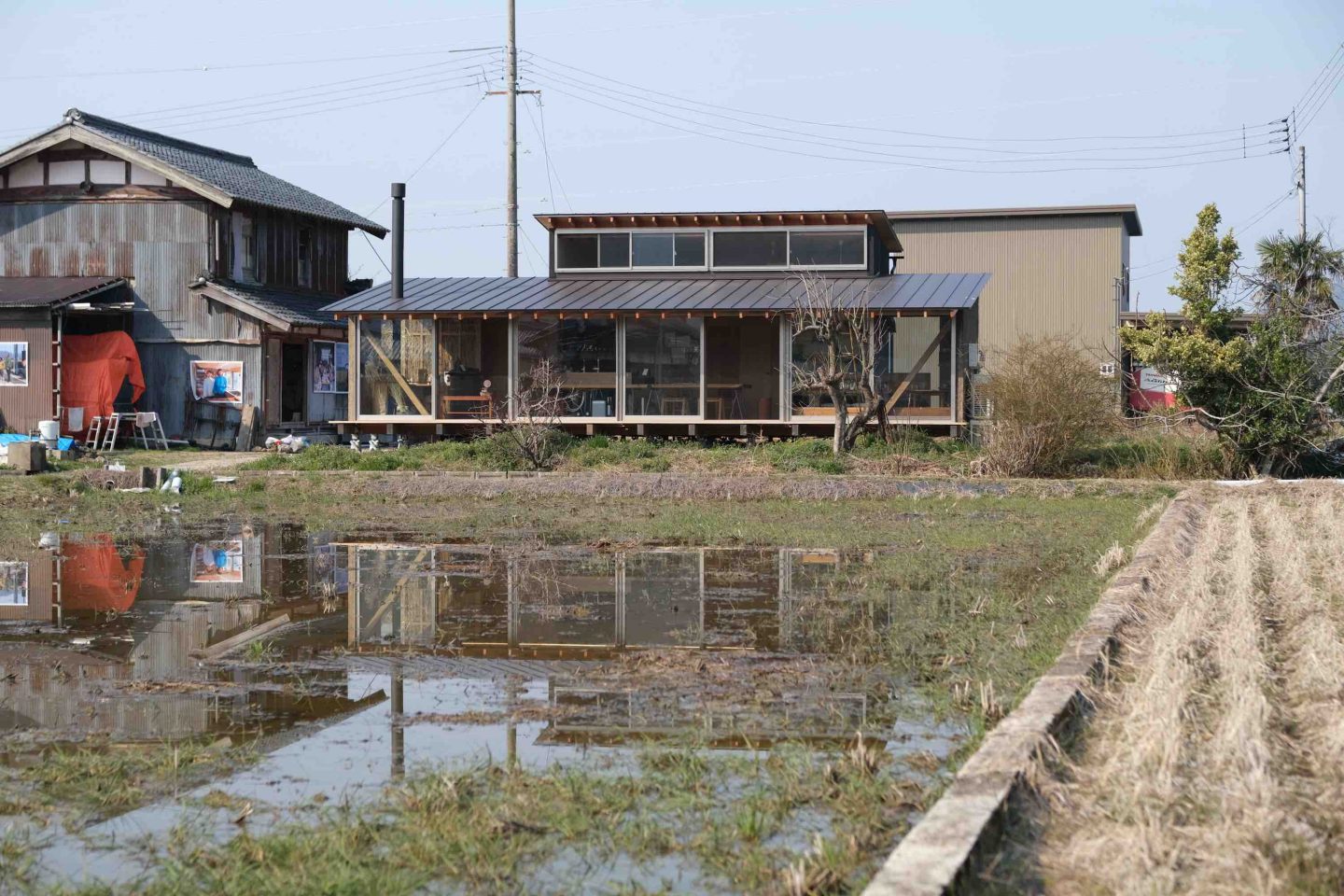
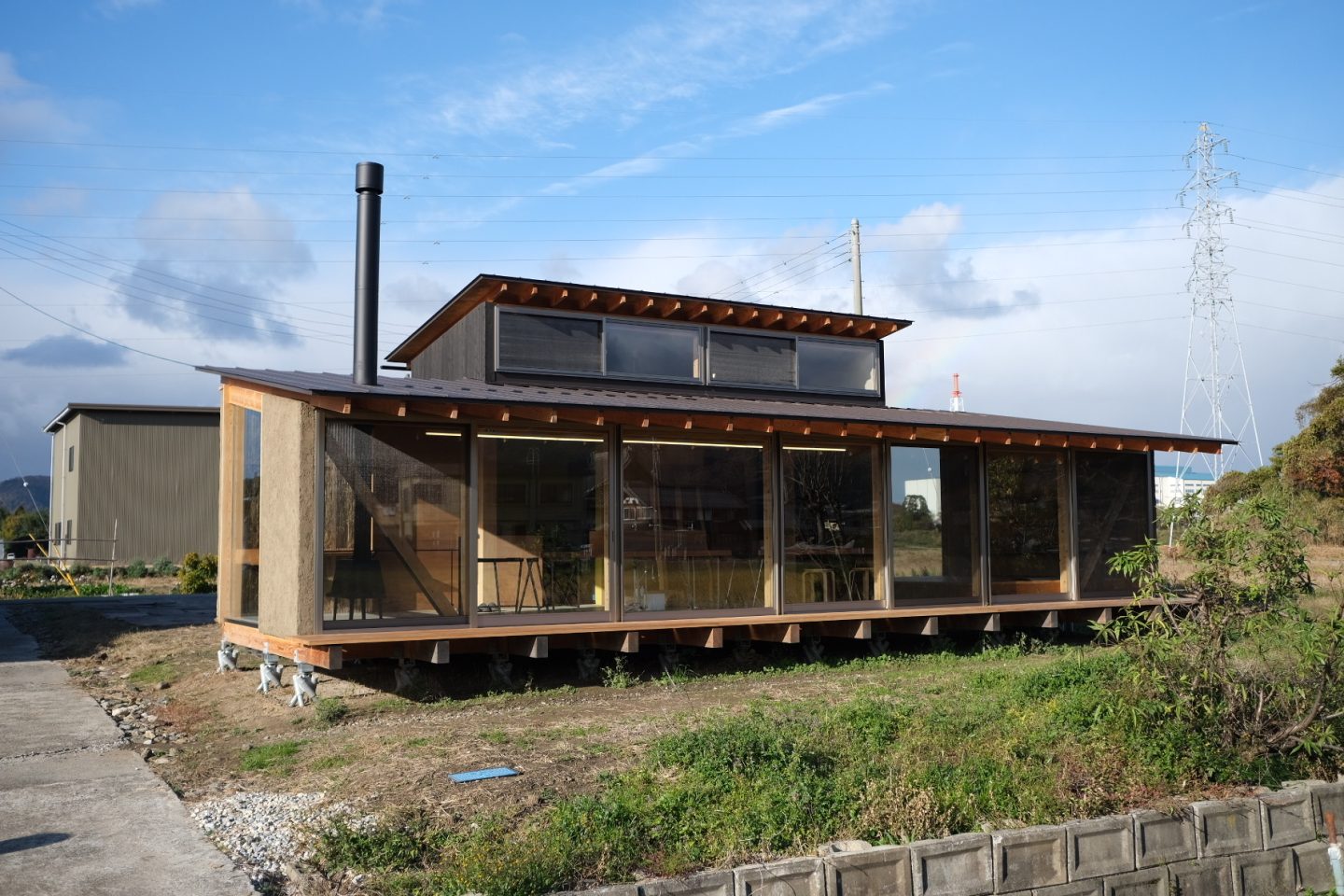
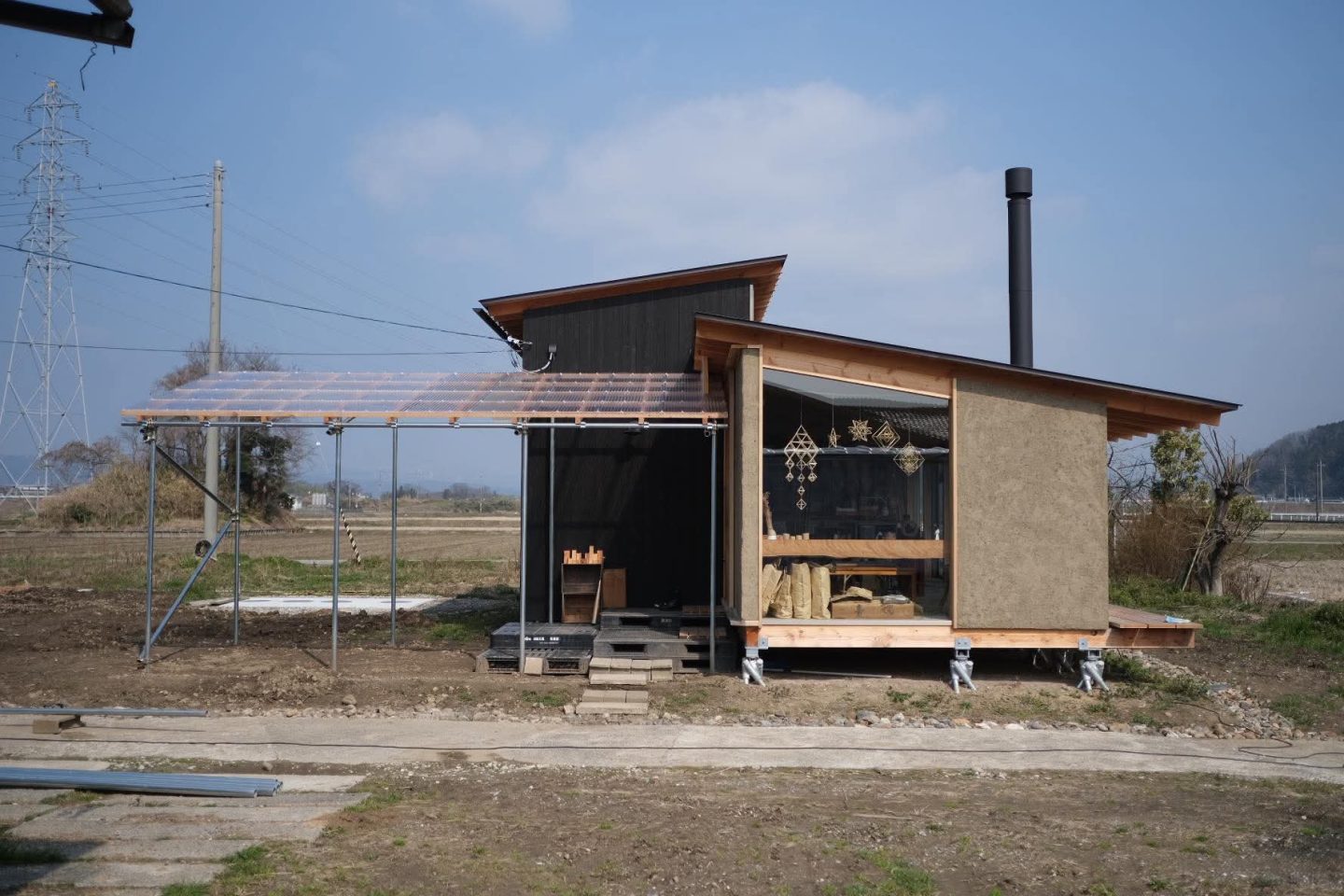
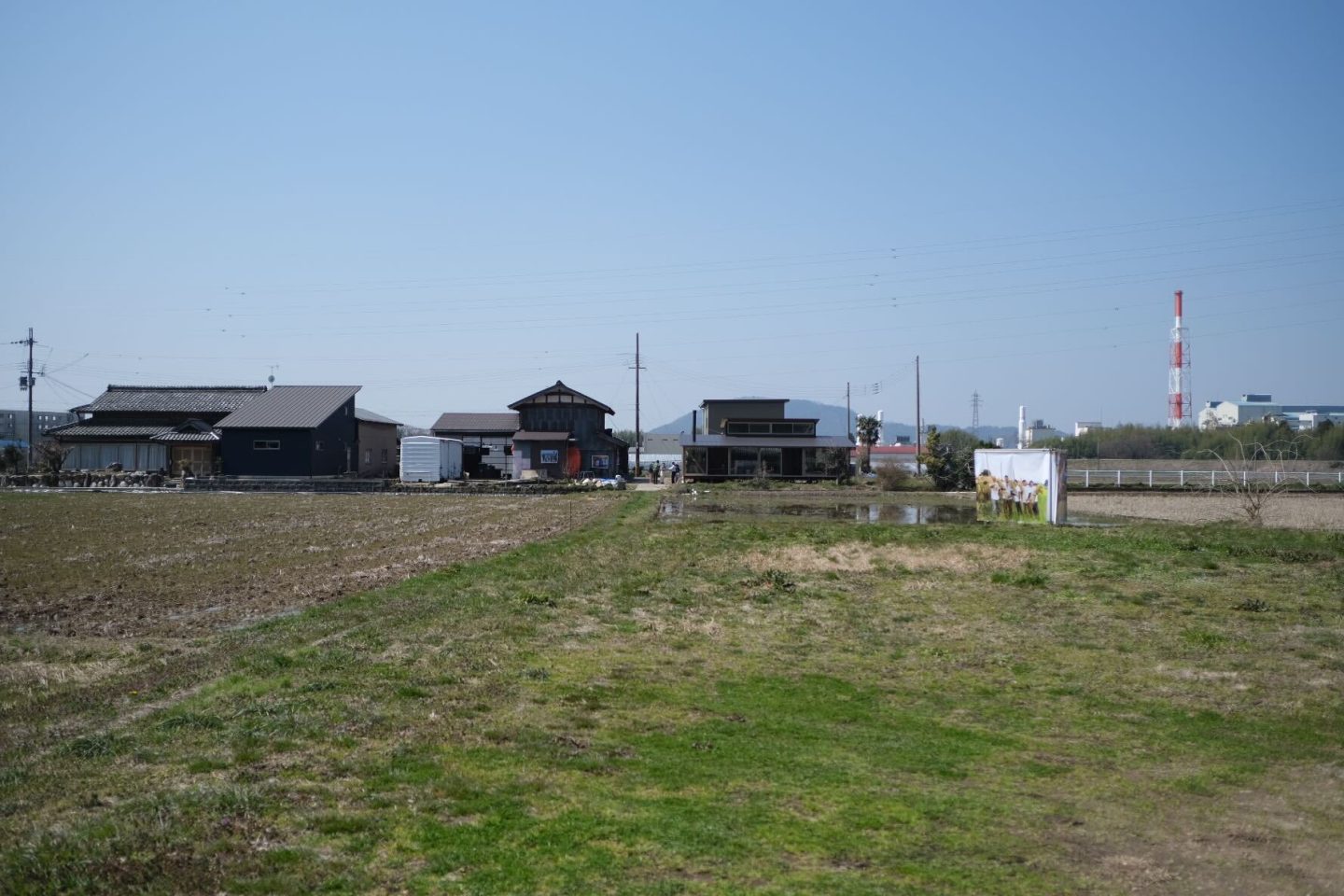
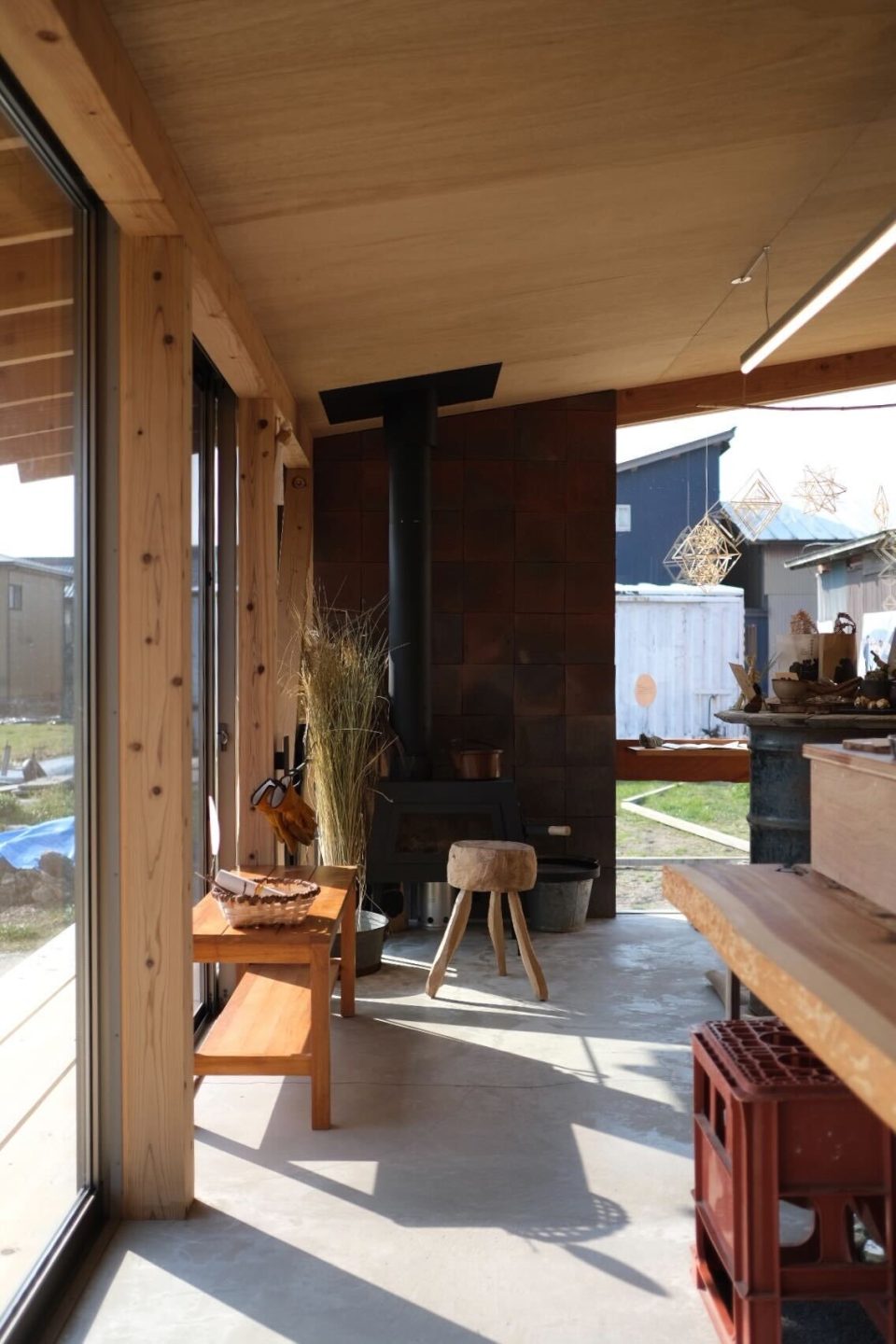
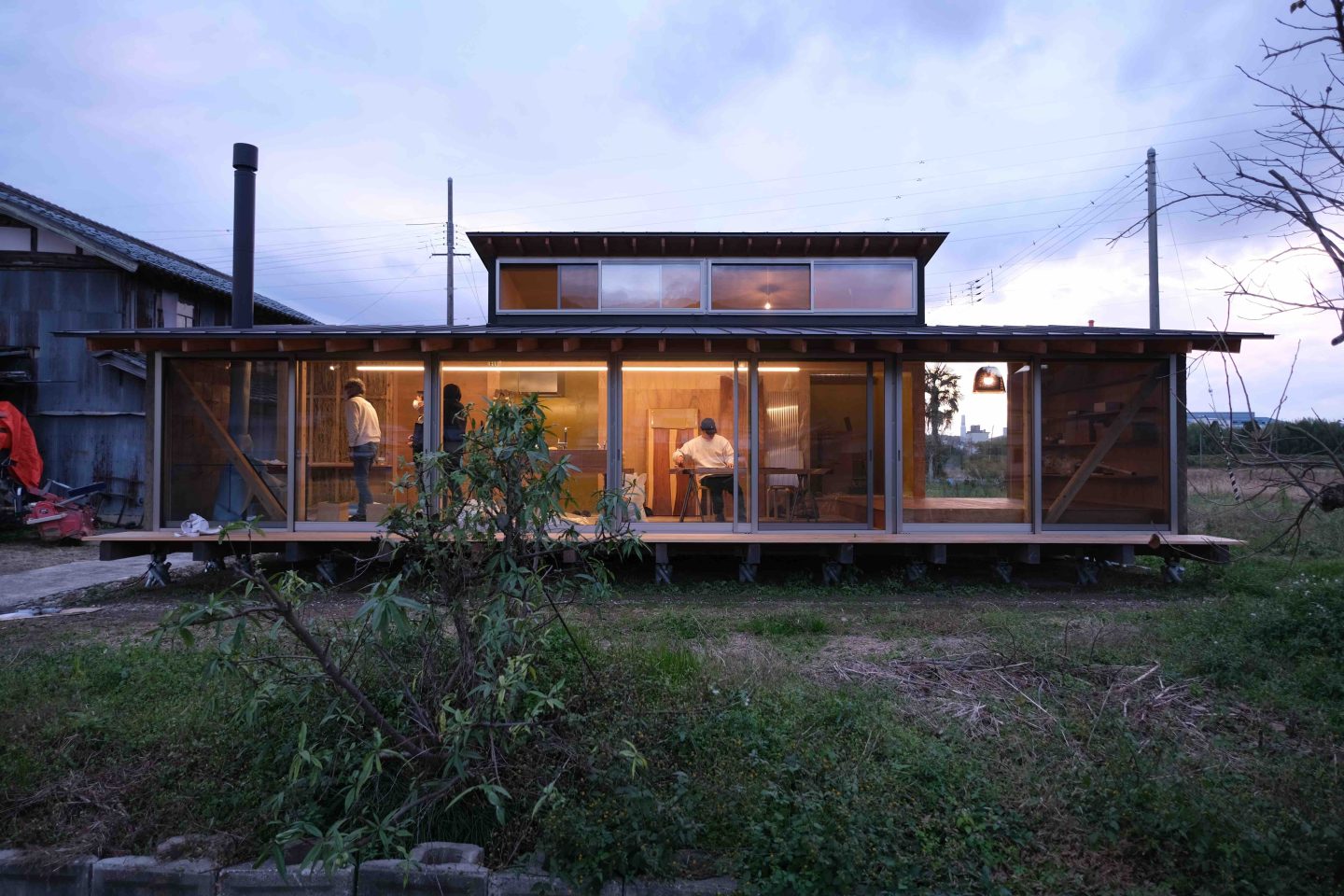
- 設計|Design
-
調査・計画|Survey & Planning冨永美保・市川竜吾・牧迫俊希・柳沢優志・藤城滉俊/tomito architecture
滝沢菜智/2022夏インターン
Miho Tominaga, Ryugo Ichikawa, Toshiki Makisako, Yushi Yanagisawa, Akitoshi Fujishiro / tomito architecture
Nachi Takizawa / Summer 2022 Intern -
意匠|Architectural Design冨永美保・市川竜吾・牧迫俊希・柳沢優志・藤城滉俊/tomito architecture
Miho Tominaga, Ryugo Ichikawa, Toshiki Makisako, Yushi Yanagisawa, Akitoshi Fujishiro / tomito architecture - 工事|Construction
-
監理|Supervision冨永美保・市川竜吾・牧迫俊希・柳沢優志/tomito architecture
Miho Tominaga, Ryugo Ichikawa, Toshiki Makisako, Yuji Yanagisawa / tomito architecture -
建築|Architecture三ツ橋佳兼/三ツ橋材木店
Yoshikazu Mitsubashi / Mitsubashi Lumber Store -
薪ストーブ|Stove Installation竹内淳/ストーブ工房山林舎
Atsushi Takeuchi / Stove Workshop Sanrinsha -
陶板タイル|Tile Installation長澤和仁・改﨑恵里紗/陶額堂
Kazuhito Nagasawa, Erisa Kaizaki / Tōgakudō - 概要|Overview
-
所在地|Location滋賀県長浜市
Nagahama City, Shiga Prefecture, Japan -
敷地面積|Site Area359.11㎡
-
建築面積|Building Area50.44㎡
-
延床面積|Total Floor Area48.25㎡